

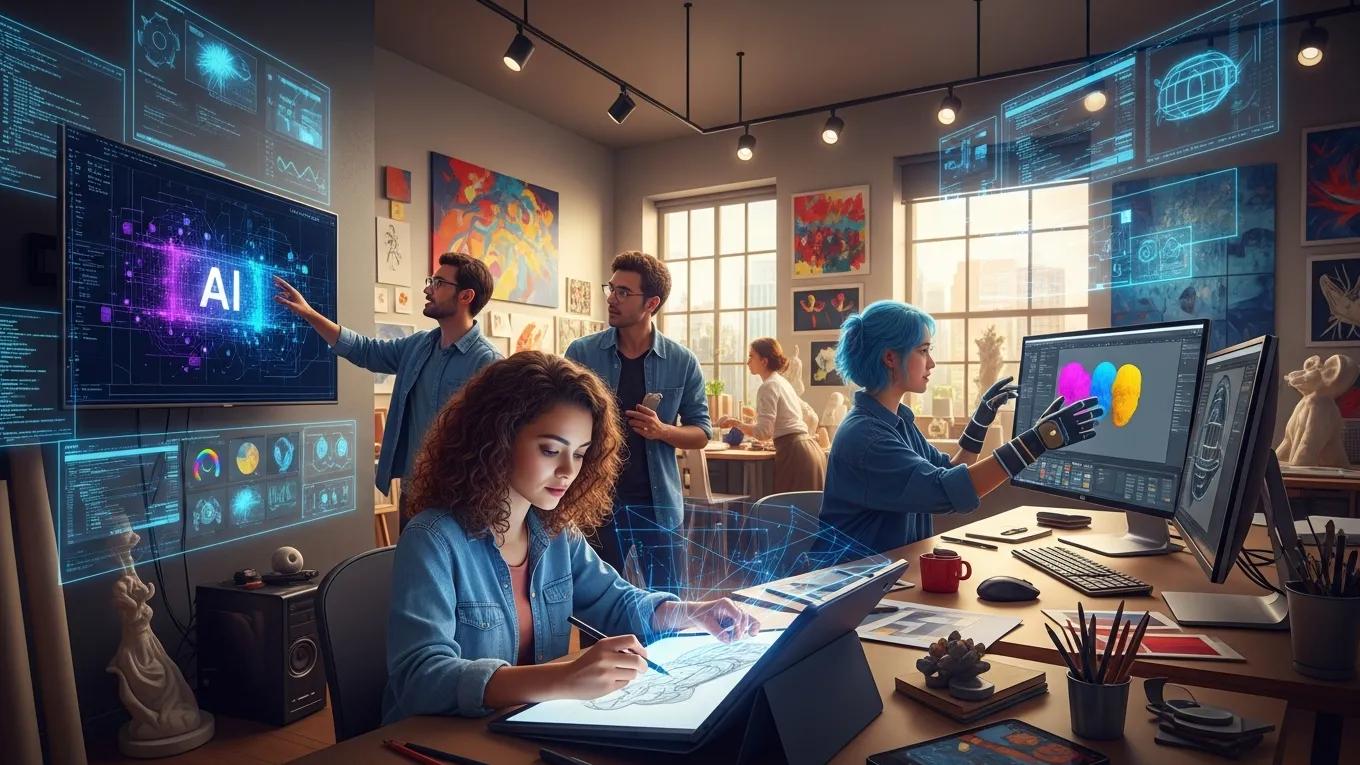
How AI Is Shaping Culture and Arts: Exploring AI Cultural Transformation and Creative Innovation
Artificial Intelligence (AI) is transforming the cultural landscape by altering how art is produced, distributed, and interpreted. This article examines AI’s impact on cultural transformation and creative innovation, summarizing the technologies reshaping artistic expression, the machine learning innovations affecting creative practice, implications for creative industries, illustrative case studies, and anticipated future trends.
What Is the Role of Artificial Intelligence in Cultural Transformation?
AI contributes to cultural transformation by augmenting artistic expression and reframing cultural narratives. It enables practitioners to pursue novel creative methods and extend the limits of established art forms. Through analysis of large-scale data, AI identifies audience trends and preferences, informing the production of works aligned with contemporary demand. The net effect includes an expanded artistic ecosystem and broader access to cultural production.
Additional research indicates that AI capabilities are redefining artistic creation and expanding conventional boundaries of art.
AI’s Transformative Influence on Contemporary Art & Creative Processes
This article examines the influence of Artificial Intelligence (AI) on contemporary art, with emphasis on AI integration in creative processes, reception of AI-generated works, and the associated ethical considerations. As AI systems increase in capability, they alter modes of creation, collaboration, and audience interaction, thereby extending established artistic boundaries. Utilization of AI provides artists with tools for enhancing creative capacity, automating aspects of production, and deploying interactive audience experiences.
The evolutionary impact of artificial intelligence on contemporary artistic practices, 2024
How Does AI Influence Cultural Dynamics and Artistic Expression?
AI affects cultural dynamics by supplying analytical and generative tools that refine artistic expression. For example, algorithms can evaluate existing corpora to produce works that reflect prevailing cultural patterns. This functionality enables experimentation with styles and techniques that were previously impractical. AI also facilitates interdisciplinary collaboration between artists and technologists, producing novel forms that test conventional limits. Case studies in AI-generated music and visual art exemplify these shifts in creative workflow.
This transformative potential is reinforced by studies on generative AI models and their role in enabling collaboration between human artists and machines.
Generative AI’s Impact on Artistic Creativity & Collaboration
This chapter analyzes the impact of generative artificial intelligence on artistic creativity, assessing how advanced models such as DALL-E, Midjourney, and GPT reconfigure the artistic landscape by enabling collaboration between human creators and machine systems. It provides a technical overview of major generative models and their capabilities across domains including visual arts, music synthesis, and creative writing.
Generative AI and the evolution of artistic creativity, N Ma, 2025
What Are the Key Concepts of AI Cultural Transformation and Digital Art?
Core concepts include the integration of digital art practices and the positioning of AI as a creative collaborator. Digital art covers modalities such as generative art, where algorithmic processes produce unique outputs from defined inputs. This convergence of technology and creative practice raises operational questions regarding authorship and originality. Familiarity with these concepts is essential for practitioners navigating the evolving digital art landscape.
The incorporation of AI into artistic workflows challenges established definitions of creativity and authorship, thereby reshaping artistic traditions and cultural integration.
AI Reshapes Artistic Traditions & Cultural Integration
Artistic traditions have adapted in response to new conceptual frameworks, technological advances, and shifting cultural influences. Contemporary definitions of creativity, authorship, and cultural boundaries are examined in light of AI integration within the arts. This study assesses how artificial intelligence modifies creative conventions and promotes forms of cultural integration. The production of digital art increasingly incorporates AI as digital technologies advance and adoption rates rise.
Reshaping artistic traditions: An AI-powered exploration of cultural integration, 2024
How Is Machine Learning Driving Innovation in the Arts?
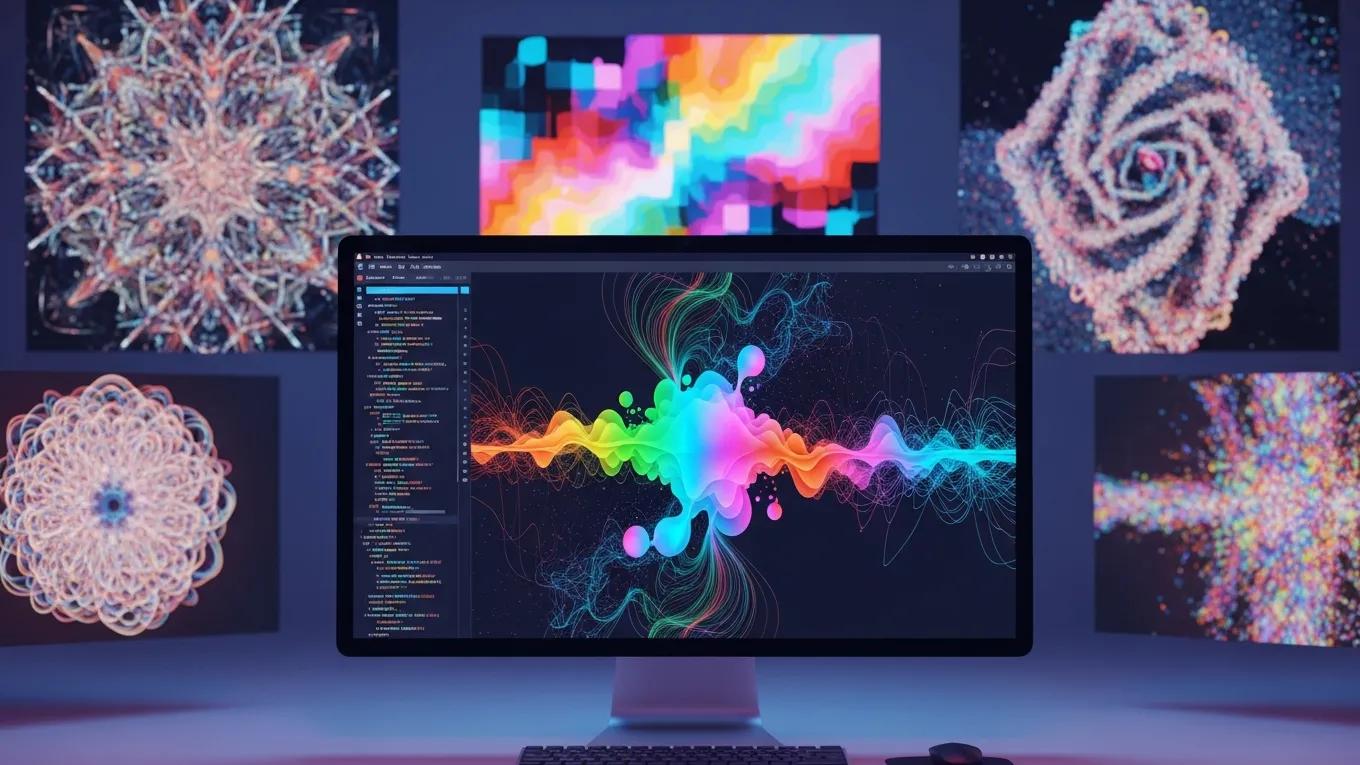
Machine learning is a primary driver of technical innovation in the arts, enabling new generative techniques and augmenting existing practices. By applying data-driven methods, practitioners can produce work that aligns with measured audience responses. Machine learning models detect patterns across visual art, music, and literature, yielding analytical feedback and novel source material for creators.
What Are the Applications of Machine Learning in Artistic Creation?
Machine learning applies across multiple creative domains, including:
- Generative Art : Algorithms create unique artworks based on input parameters, allowing for endless variations.
- Music Composition : AI tools can compose music by analyzing existing compositions, offering new melodies and harmonies.
- Literary Analysis : Machine learning can analyze texts to identify themes and styles, aiding writers in their creative processes.
These use cases illustrate how machine learning augments creative capacity and establishes new pathways for artistic production.
How Does AI Enable New Forms of Digital Art and Creative Disruption?
AI facilitates novel digital art forms by introducing generative processes that contest traditional concepts of creativity and authorship. AI-generated works have initiated sector-wide discussions regarding the artist’s role within the creative pipeline. This disruption prompts practitioners to re-evaluate methodologies and to adopt experimental approaches, contributing to greater diversity in artistic output.
What Are the Impacts of AI on Creative Industries and Enterprise Systems?
AI’s impact on creative industries extends across production workflows, distribution mechanisms, and audience engagement models. Organizational adoption of AI can increase operational efficiency and support creative experimentation. Integration of AI capabilities within enterprise systems promotes innovation and enables more strategic allocation of resources.
How Are Enterprises Adopting AI Governance for Creative Innovation?
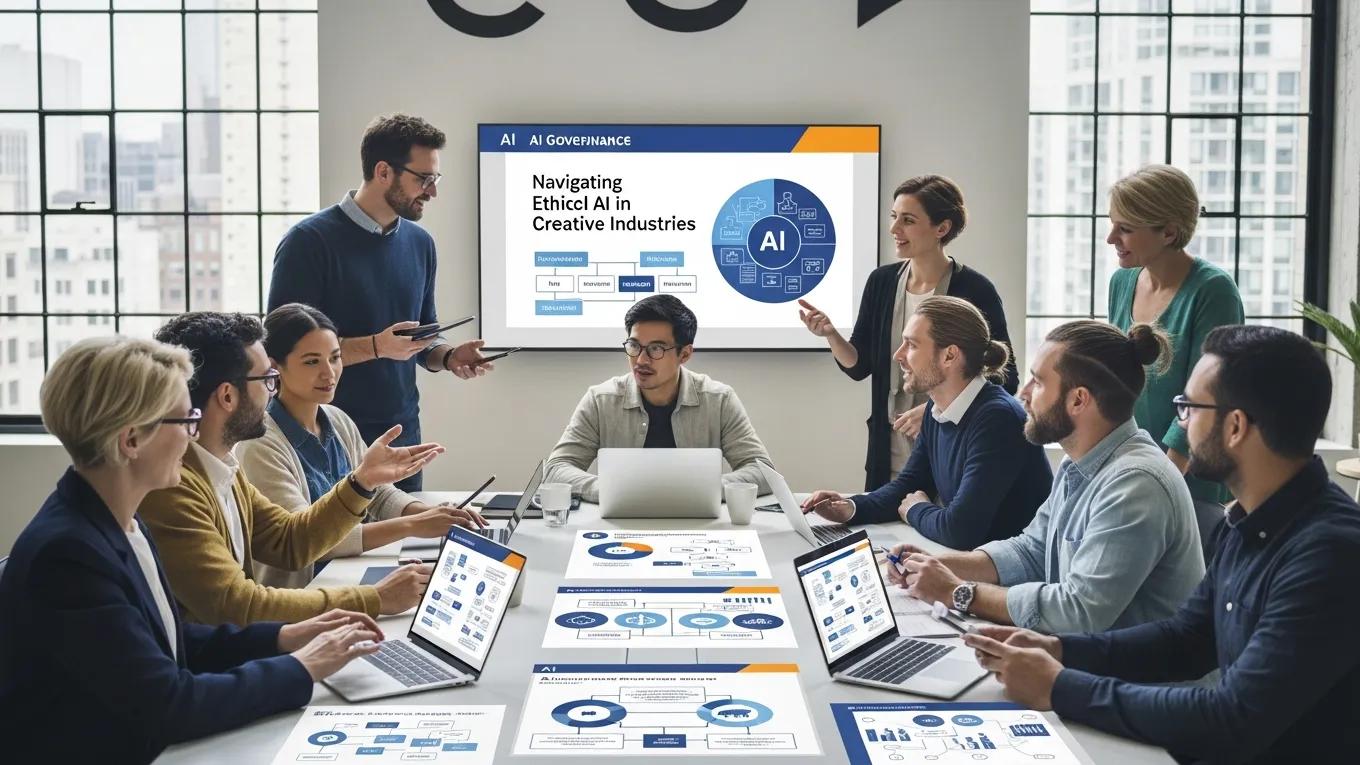
Enterprises are implementing AI governance frameworks to ensure the responsible deployment of AI in creative contexts. These frameworks establish standards for development and operations, addressing concerns such as bias mitigation, algorithmic transparency, and accountability. Robust governance enables organizations to leverage AI capabilities while reducing operational and reputational risk.
What Risk Management Strategies Support AI-Driven Arts and Culture?
Effective risk management for AI in the arts requires explicit policies on data governance, measures to ensure representational diversity in training datasets, and institutional practices that support inclusion among creators. Organizations should codify data use policies, perform bias audits, and maintain mechanisms for accountability to sustain ethical AI deployment in cultural settings.
Which Case Studies Illustrate AI’s Influence on Culture and Arts?
Multiple case studies document AI’s influence on cultural production and artistic practice, demonstrating applied examples of AI technologies within creative projects. These cases provide empirical insight into how AI reshapes workflows, audience reception, and institutional approaches to art.
What Examples Demonstrate Successful AI Creative Disruption?
A prominent example is AI-assisted music composition: systems such as OpenAI’s MuseNet can generate original pieces across genres, evidencing potential collaboration between human musicians and algorithmic systems. Likewise, AI-generated visual works have been exhibited in gallery contexts, prompting reconsideration of authorship and creative contribution. These instances indicate AI functioning as a collaborative component within creative processes.
How Do AI Governance Frameworks Enhance Cultural and Artistic Enterprises?
AI governance frameworks enhance cultural enterprises by providing structured approaches to ethical development and deployment. Such frameworks foster trust among creators, audiences, and stakeholders by codifying responsible practices. Prioritizing ethical safeguards facilitates innovation while addressing the operational and social risks associated with AI in the arts.
What Are the Future Trends in AI and Cultural Innovation?
Future trends indicate deeper integration of AI into creative workflows, expanded use of generative systems, and increased institutional focus on governance and ethics. Continued technological advancement will likely produce new modalities of collaboration and distribution within the cultural sector.
How Will AI Ethics Shape the Evolution of Digital Creativity?
Ethical frameworks will determine acceptable practices for digital creativity by guiding decisions on bias mitigation, representational equity, and the preservation of cultural heritage. As practitioners and organizations adopt AI, established ethical standards will inform design choices and operational protocols to balance innovation with social responsibility.
What Are the Projected Growth and Adoption Rates of AI in Creative Sectors?
Industry projections anticipate increased adoption of AI across creative sectors as organizations recognize gains in creative capacity and operational efficiency. Corresponding investment in AI-driven solutions is expected to expand the role of AI in shaping cultural production and delivery.
Frequently Asked Questions
What are the ethical considerations surrounding AI in the arts?
Ethical considerations include questions of authorship and intellectual property, algorithmic bias, and the potential for AI outputs to reproduce stereotypes. Determining ownership of AI-assisted works and ensuring representative training data are central concerns. Transparency in model design and decision-making processes is necessary to mitigate bias and maintain stakeholder trust.
How can artists ensure their work remains authentic when using AI?
Artists can preserve authenticity by integrating their creative intent and curatorial judgment into AI-assisted workflows. Treating AI as a tool rather than a replacement requires active selection and refinement of generated material, and clear articulation of the artist’s role in final outputs to maintain continuity with established practice.
What role does collaboration play in AI-driven artistic projects?
Collaboration is central to AI-driven projects, combining expertise from artists, technologists, and data specialists. Interdisciplinary teams enable rigorous experimentation, technical validation, and informed creative decisions, resulting in projects that synthesize human authorship with algorithmic capability.
How is AI changing audience engagement in the arts?
AI modifies audience engagement by enabling personalization, interactive experiences, and real-time feedback mechanisms. Data-driven tailoring of content can increase relevance for individual viewers, while interactive installations create participatory modes of engagement that alter conventional consumption patterns.
What skills should artists develop to thrive in an AI-enhanced creative landscape?
Artists should develop competencies that bridge creative practice and technical fluency, including familiarity with AI tools, basic data literacy, and skills in digital media workflows. Complementary knowledge of ethical implications and governance considerations will support responsible adoption.
What are the potential risks of relying on AI in artistic creation?
Risks include potential homogenization of output, erosion of distinctive human authorship, and biased or exclusionary outputs stemming from unrepresentative training data. Continuous evaluation, diverse dataset curation, and human oversight are necessary to ensure AI augments rather than diminishes artistic value.
Conclusion
AI is materially altering the cultural and artistic domain by enabling new creative modalities and collaborative models. Integration of advanced technologies permits artists and organizations to extend traditional practices while necessitating robust governance and ethical oversight. Consult available resources and tools to evaluate opportunities for incorporating AI into creative operations.