

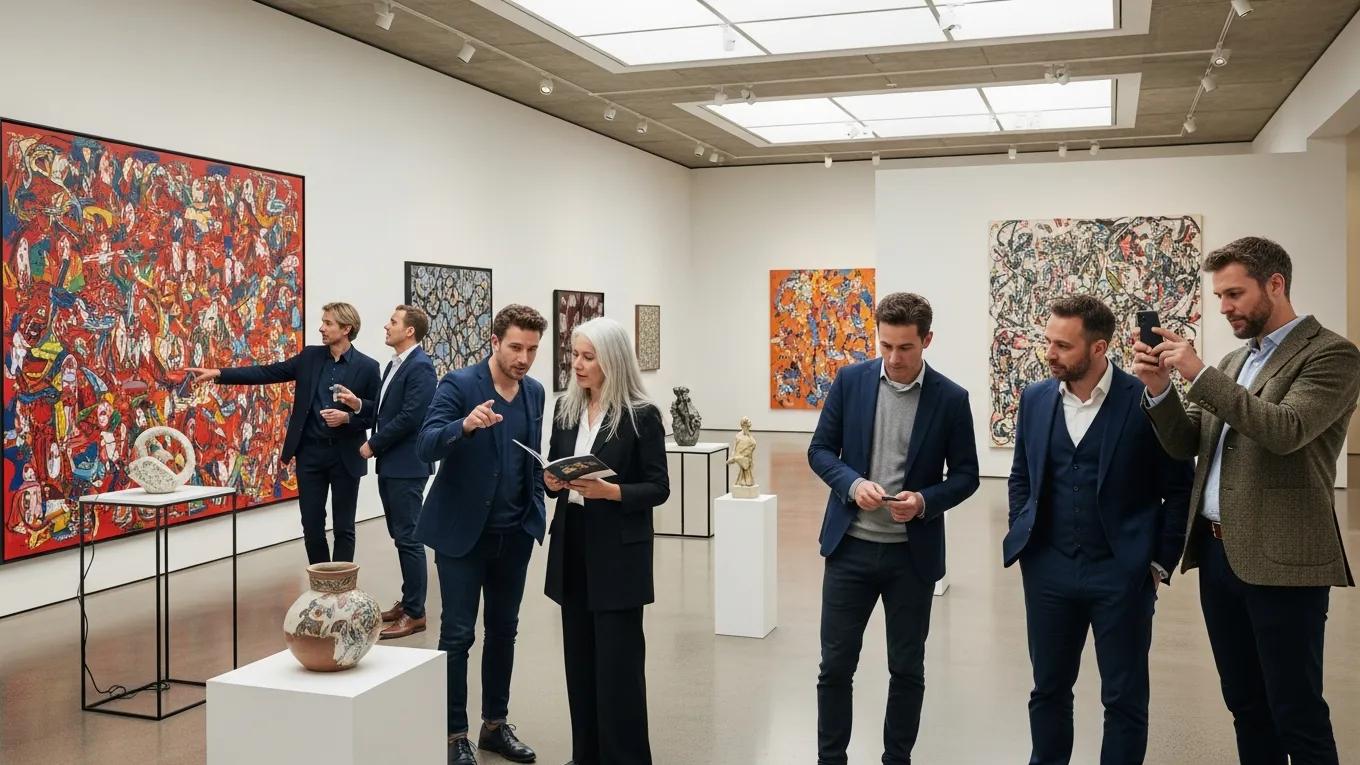
Contact Dr. George Dagliyan: Expert Art Collecting Support
Art collecting presents complex opportunities and risks that require methodical decision-making. Collectors frequently seek authoritative guidance on acquisition and curation to assemble collections with demonstrable value. This guide outlines core strategies for acquisition and curation and emphasizes the integration of advanced technologies, including artificial intelligence (AI) and digital transformation. Common challenges include verifying authenticity and making evidence-based investment decisions; failure to address these can result in material financial losses. By clarifying the acquisition workflow and applying AI-driven tools, collectors can refine purchasing protocols and uphold collection integrity. The subsequent sections address the acquisition steps, curation methodologies, AI applications for purchasing, and best practices for ethical and legal compliance.
What Are the Essential Steps in the Art Acquisition Process?
The acquisition workflow comprises defined steps that enable informed purchasing. Accurate verification of authenticity and objective valuation are central to the process. Typically, the sequence begins with identifying candidate works, followed by systematic research into the artist, provenance documentation, and evaluation of market indicators. Financial considerations—such as expected appreciation, carrying costs, and transaction expenses—should be integrated into the decision calculus.
- Research: Investigate the artist’s background, previous sales, and current market trends to gauge the artwork’s potential value.
- Verification: Ensure the authenticity of the artwork through documentation and expert opinions.
- Negotiation: Engage in discussions with sellers to arrive at a fair price, considering the artwork’s condition and market demand.
AI-based analytical tools can augment verification workflows by enabling objective pattern analysis and comparative valuation across large datasets.
Given persistent challenges of art fraud and misattribution in international markets, blockchain-based provenance verification provides a mechanism to strengthen trust and mitigate counterfeiting risk.
Combatting Art Fraud with Blockchain Provenance Verification
The global art market, valued at $57.5 billion in 2024, continues to face systemic fraud challenges, with studies estimating that up to 50% of circulating artworks may be forged or misattributed. Blockchain-based provenance verification has been widely proposed as a solution, yet empirical assessments of its actual effectiveness across diverse transaction scenarios remain limited.
Comparative Effectiveness of Blockchain Provenance Verification on Counterfeit Reduction in Art Transactions: A Multi-Scenario Empirical Assessment, 2026
How to Verify Art Authenticity Using AI Technologies
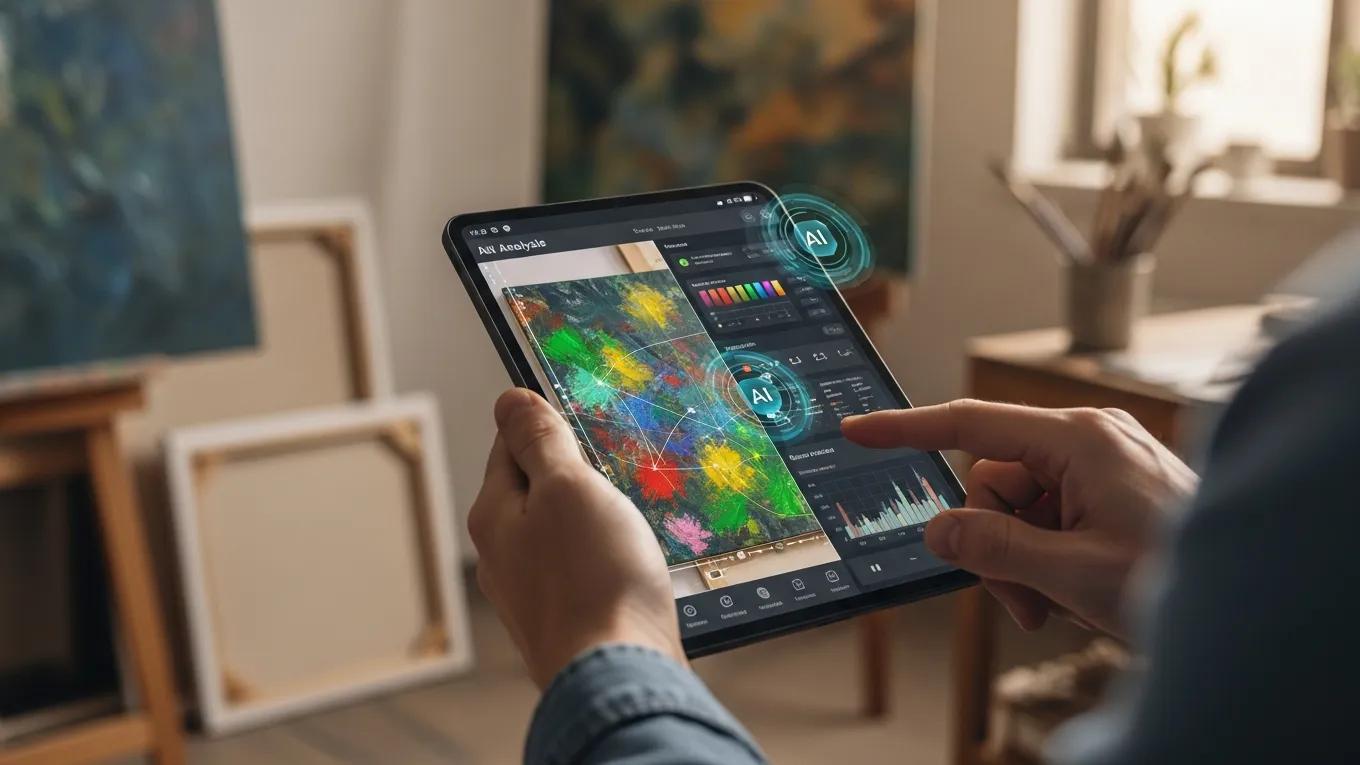
AI methodologies—including machine learning classifiers and image-recognition models—support objective authenticity assessments. These systems evaluate brushstroke micro-patterns, colorimetry, compositional features, and material signatures. Comparative analysis against curated artist corpora can identify statistically significant anomalies that warrant further expert review. The use of these techniques reduces time-to-evidence and improves the precision of authenticity determinations when integrated with provenance documentation and specialist evaluation.
The proliferation of realistic AI-generated imagery increases the demand for robust verification frameworks, where hybrid technical approaches that combine machine learning and blockchain have demonstrated improved detection accuracy.
AI Image Verification & Authenticity in Art with Blockchain
The rapid proliferation of artificial intelligence (AI) has transformed visual media, enabled highly realistic AI-generated images, and raised ethical, social, and security concerns. This study investigates AI image verification as a socio-technical response to synthetic visuals, focusing on social media, artistic, and forensic contexts. Integrating machine learning, metadata analysis, and blockchain verification, hybrid technical approaches significantly improve detection accuracy.
Verifying artificial intelligence-generated images: socio-technical approaches to authenticity, MM Willie, 2025
What Criteria Should Guide Art Investment Decisions?
Investment decisions should be grounded in quantifiable criteria to optimize risk-adjusted returns. Relevant factors include historical price trajectories, current and projected market demand, and the artist’s professional standing. Condition reports, provenance integrity, and exposure to market volatility are material risk considerations. Systematic analysis of these variables enables alignment of acquisitions with defined investment objectives.
Which Art Curation Strategies Optimize Collection Value and Integrity?
Curation strategies should prioritize coherence, provenance integrity, and long-term value preservation. Establish a clear narrative or thematic framework that aligns with the collector’s objectives while remaining attentive to prevailing market signals. Select works that complement one another and support the collection’s curatorial thesis. Implement periodic portfolio reviews to identify holdings that no longer fit the strategic intent or that have materially appreciated and warrant disposition or reappraisal.
- Thematic Cohesion: Curate artworks that share a common theme or style to create a unified collection.
- Market Awareness: Stay informed about current trends and emerging artists to make strategic acquisitions.
- Regular Appraisals: Conduct periodic appraisals to assess the value of the collection and make informed decisions about potential sales or acquisitions.
Applying enterprise risk management principles to curation processes further strengthens collection governance and integrity.
How Does Enterprise Risk Management Enhance Art Collection Curation?
Enterprise risk management (ERM) establishes a formal framework for identifying, assessing, and mitigating risks to a collection. ERM enables systematic evaluation of exposures such as market volatility, legal disputes, and reputational risks. This approach supports development of mitigation strategies, including diversification of assets, formalized ownership agreements, and documented provenance verification procedures to preserve long-term collection sustainability.
What Role Does Digital Transformation Play in Modern Art Curation?
Digital transformation has reconfigured acquisition, research, and collection management workflows. Online marketplaces and auction platforms provide access to global inventories and transaction data. Digital cataloguing and asset-management systems enable standardized metadata, audit trails, and condition tracking. These capabilities improve discovery, due diligence, and lifecycle management of works within a collection.
How Can Collectors Leverage AI-Driven Tools for Informed Purchasing?
AI-driven solutions deliver analytical outputs that support evidence-based purchasing. By processing large datasets, these tools provide market trend analysis, provenance validation indicators, and probabilistic investment forecasts. Such outputs inform acquisition decisions and facilitate alignment with financial objectives and curatorial priorities.
- Market Analysis Tools: Utilize AI algorithms to analyze market trends and predict future price movements for specific artworks.
- Provenance Verification Solutions: Implement AI technologies that track the ownership history of artworks, ensuring authenticity and legal compliance.
- Investment Forecasting: Leverage AI-driven analytics to assess the potential return on investment for specific pieces based on historical data and market conditions.
Dr. George Dagliyan, an expert in artificial intelligence adoption and enterprise systems innovation, provides consulting services to assist collectors with AI governance and implementation in art acquisition.
What AI Solutions Support Provenance Verification and Market Analysis?
Available AI solutions combine algorithmic analysis of historical transaction data, automated linkage of ownership records, and pattern recognition of market signals. Blockchain can serve as a secure ledger for provenance records, enhancing transparency for verified transactions. AI-based market analysis tools identify emergent trends and support data-driven acquisition strategies.
The integration of advanced digital technologies such as AI and blockchain is generating substantive shifts in provenance practice and the procedures by which authenticity is established and audited.
Art Provenance: AI, Blockchain, and NFTs for Digital Verification
Today, art provenance is undergoing a third major historical paradigm shift driven by multiple convergent digital technologies. The initial phase involved the creation of extensive art historical databases in the late twentieth century. The current phase is characterized by the adoption of technologies such as artificial intelligence, blockchain ledgers, and non-fungible tokens (NFTs), which are reshaping provenance practices.
Art provenance yesterday, today, and tomorrow with a particular focus on blockchain technology, 2023
How Does AI Governance Impact Ethical and Legal Considerations in Art Acquisition?
AI governance establishes the policies and controls necessary to address ethical and legal issues arising from algorithmic decision support. Key governance domains include data privacy, intellectual property rights, transparency of model outputs, and mitigation of algorithmic bias. Implementing documented governance frameworks enables responsible use of AI while maintaining regulatory compliance and ethical standards.
What Investment Art Guides Provide Data-Driven Insights for Collectors?
Investment guides offer structured, data-driven analyses that assist collectors in market assessment and strategy formulation. These resources typically include market trend reports, artist performance histories, and investment strategy options calibrated to different risk profiles. Utilization of analytics and empirical evidence supports identification of high-potential works and alignment of acquisitions with investment objectives.
- Market Trend Reports: Access reports that analyze current trends and predict future movements in the art market.
- Artist Profiles: Review detailed profiles of emerging and established artists, including their historical performance and market demand.
- Investment Strategies: Explore various investment strategies tailored to different collector profiles and risk tolerances.
Which Metrics and Analytics Inform Art Market Investment Strategies?
Relevant metrics include historical price performance, liquidity indicators, artist reputation indices, and measures of market demand. Financial metrics such as return on investment (ROI) and historical appreciation rates provide quantitative insight into long-term value. Integrating these analytics into acquisition models supports objective portfolio decisions.
How Do Case Studies Illustrate AI’s Impact on Art Market Performance?
Empirical case studies demonstrate how AI-driven analysis can identify undervalued works and inform acquisition timing. Documented examples show instances where algorithmic screening of market data led to acquisitions that achieved measurable appreciation. Such case studies provide operational evidence of AI’s capacity to enhance investment decision-making when combined with domain expertise.
What Are the Best Practices for Ethical and Legal Compliance in Art Collecting?
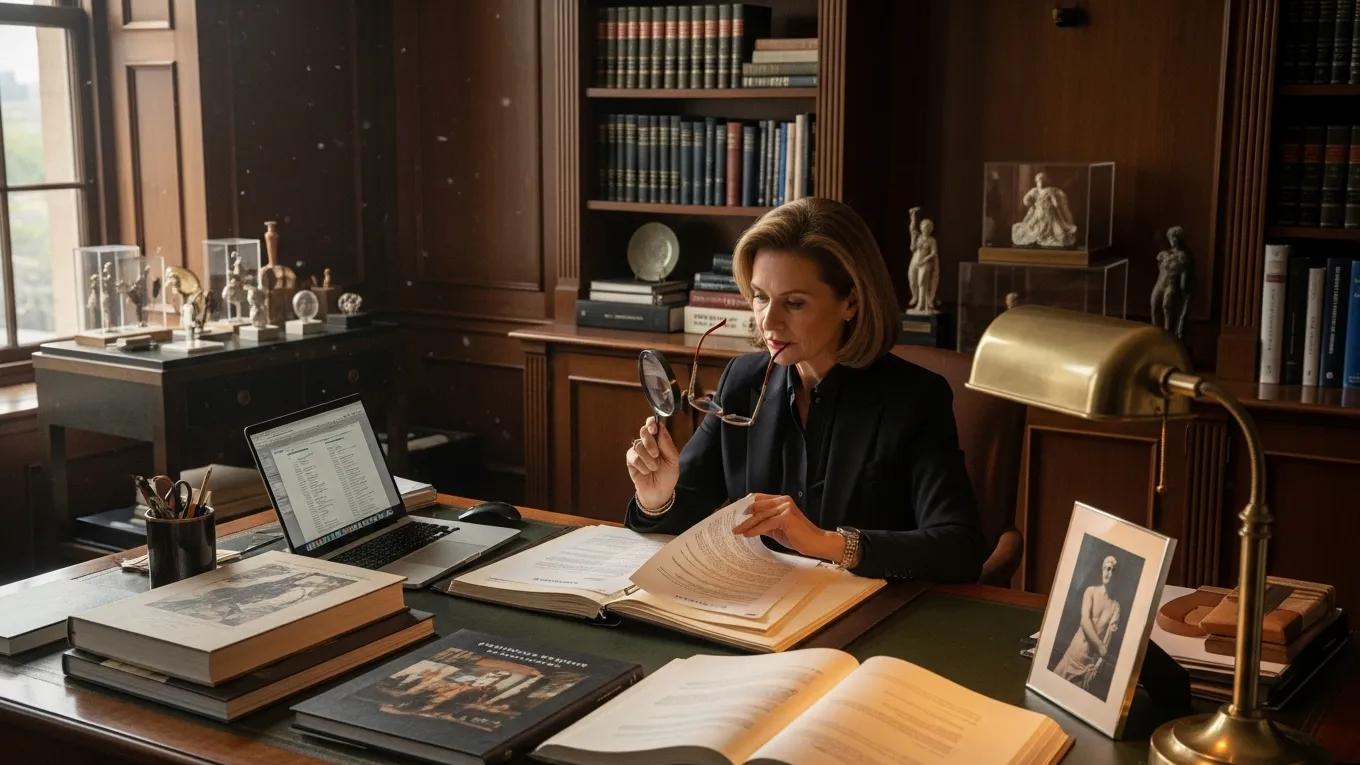
Compliance with ethical and legal standards is a foundational requirement for responsible collecting. Establishing formal compliance procedures protects assets and preserves market integrity. These procedures should reflect applicable laws and industry norms and prioritize transparency in provenance and transaction reporting.
- Legal Frameworks: Familiarize yourself with the legal requirements for art acquisition, including provenance documentation and ownership rights.
- Ethical Standards: Adhere to ethical guidelines that promote responsible collecting practices and transparency in transactions.
- Due Diligence: Conduct thorough due diligence on artworks and sellers to mitigate risks associated with forgery or misattribution.
How to Navigate Legal Frameworks in Art Acquisition and Curation?
Effective navigation of legal frameworks requires familiarity with provenance documentation requirements, ownership law, and export/import regulations. Collectors should engage qualified legal counsel to review transactions and to develop compliance and risk-management protocols tailored to jurisdictional requirements.
What Ethical Standards Should Guide Collector Decision-Making?
Ethical decision-making should be guided by transparency, respect for cultural heritage, and adherence to provenance standards. Prioritize responsible sourcing, verify ownership histories, and avoid transactions that involve looted or illicitly traded objects. Adherence to these principles supports market sustainability and professional integrity.
Frequently Asked Questions
What are the benefits of using AI in art collecting?
AI delivers objective analytics that enhance authenticity verification, improve market analysis, and enable personalized curation recommendations. Machine learning models process large datasets to detect patterns, assess valuation signals, and flag provenance anomalies. These capabilities streamline due diligence and support acquisition decisions aligned with investment and curatorial objectives.
How can collectors stay updated on market trends?
Collectors should subscribe to specialized market reports, monitor industry publications, and use platforms that provide real-time transaction data. Attendance at art fairs, auctions, and exhibitions supplements data sources with direct market observation. Deploying AI-driven market-analysis tools provides predictive insights, and professional networking enhances situational awareness.
What role does provenance play in art investment?
Provenance documents the chain of ownership and underpins authenticity and title. Clear, verifiable provenance increases marketability and reduces transactional risk. Collectors should prioritize works with documented provenance, and where appropriate, employ blockchain or other tamper-resistant ledgers to strengthen the integrity of provenance records.
How can collectors assess the condition of artworks?
Condition assessment requires inspection of surface integrity, color stability, and structural soundness. Professional conservators should be engaged for comprehensive assessments, particularly for high-value items. Regular condition reports and appraisals support asset management. AI tools can assist by identifying subtle indicators of deterioration that warrant expert intervention.
What are the risks associated with art collecting?
Primary risks include market volatility, provenance and authenticity failures, and legal disputes over title. Fluctuations in demand and economic conditions affect valuation. To mitigate these risks, apply rigorous due diligence, utilize technological verification tools, and maintain clear legal documentation for acquisitions.
How can collectors ensure ethical practices in their acquisitions?
Ensure ethical acquisitions by verifying provenance, respecting cultural property laws, and avoiding transactions involving looted or stolen works. Work with reputable galleries and auction houses, establish internal acquisition policies, and remain engaged with professional bodies that set ethical standards for the sector.
Conclusion
Successful art collecting requires structured methodology, rigorous verification, and adherence to ethical and legal standards. Leveraging technologies such as AI and blockchain enhances decision-making and provenance integrity when applied within governed frameworks. Continuous market monitoring and best-practice compliance protect investments and support a resilient art market. Consult available resources and expert analyses to implement these strategies and advance the development of a sustainable, expertly curated collection.