

Practical Tips for Artists Using AI: Leveraging AI Art Tools and Techniques for Creative Innovation
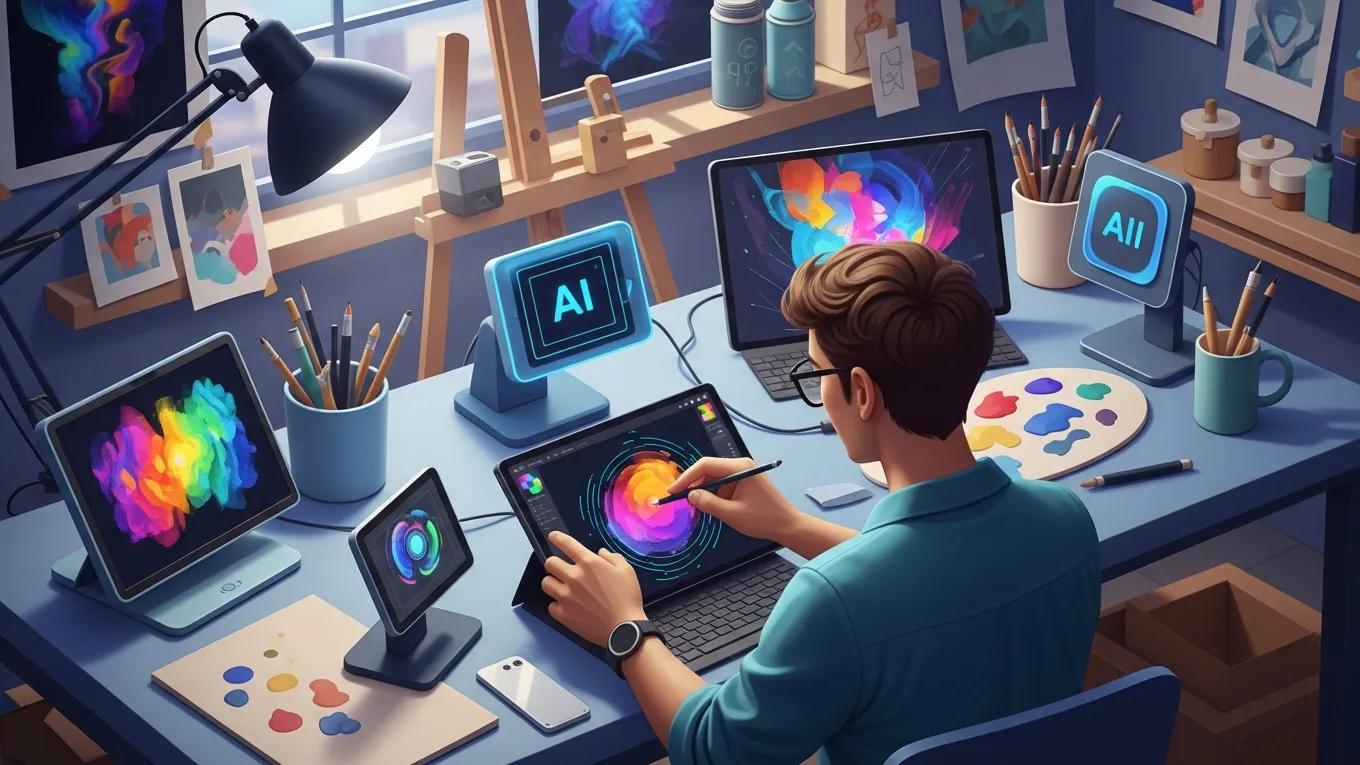
Artists increasingly adopt artificial intelligence (AI) to augment creative processes. AI art tools enable generation, modification, and automation of artistic works, expanding technical and aesthetic possibilities. This article provides practical guidance on effective tool use, workflow integration, and the ethical considerations associated with AI. By outlining essential tools, integration techniques, governance implications, and risk management approaches, the content supports practitioners seeking to apply AI to their practice. The article examines key tools, integration strategies, ethical considerations, risk controls, and emerging AI art techniques.
Studies examine how AI can bridge automation and human creativity, complementing artistic expression without substituting human authorship.
AI in Art: Bridging Automation & Human Creativity
This study examines the role of artificial intelligence (AI) in art, with a focus on AI’s capacity to bridge automation and human creativity. Employing a qualitative methodology, the research gathers data through in-depth interviews with academics, artists, and practitioners to capture a range of perspectives on integrating AI into creative workflows. The analysis addresses AI’s effects on artistic production, from generating new works to augmenting traditional techniques, and evaluates practical, philosophical, and ethical implications. Interview findings indicate AI’s potential to expand artistic boundaries while preserving human emotional expression, presenting multiple viewpoints that characterize the technology as complementary rather than replacement.
Artificial intelligence in art: Bridging the gap between automation and human expression, H Rammal, 2025
Which AI Art Tools Are Essential for Modern Artists?
In the evolving digital-art landscape, a subset of AI tools demonstrates capability to enhance creativity and optimize workflows. These platforms facilitate content generation and deliver features tailored to different artistic styles and media.
What Features Define Leading AI Creative Software?
Leading AI creative software provides accessible interfaces, extensive customization, and interoperability with existing toolchains. These attributes enable integration with established artistic processes. For example, many platforms include design utilities for image manipulation and composition, while configurable parameters permit attainment of specific aesthetic objectives without undermining artistic intent.
How to Select AI Tools Based on Artistic Style and Medium?
Tool selection should align with an artist’s stylistic requirements and chosen medium. Digital painters may prioritize brush simulation and texture generation; photographers may require image enhancement and advanced editing capabilities. Peer feedback and operational testimonials can supply practical insights to inform selection decisions that correspond to creative objectives.
How Can Artists Integrate AI into Digital Art Automation Workflows?
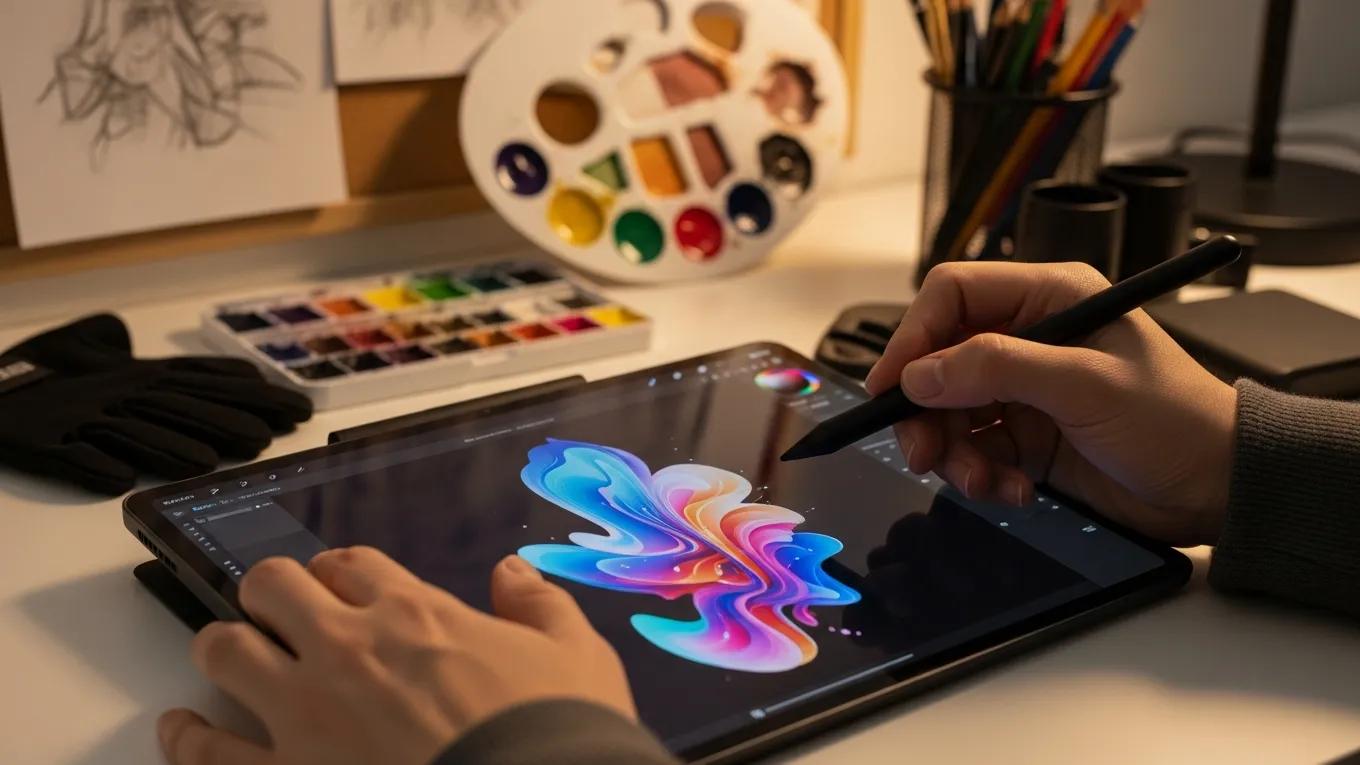
Integrating AI into digital workflows can improve productivity and creative output. By automating repetitive or computational tasks, practitioners can reallocate time to conceptual development and expressive refinement.
What Are Effective AI-Assisted Creativity Techniques?
Effective AI-assisted techniques include employing algorithms for ideation, prototype generation, and evaluative feedback. Models can produce novel patterns or color schemes that inform concept development. Collaborative AI platforms enable iterative exchanges that support alternative interpretations and progressive refinement of artistic direction.
How to Balance Manual and Automated Processes in AI Art Creation?
Maintaining balance between manual and automated processes is essential to preserve artistic integrity. While AI can execute repetitive or computational work, human judgment remains necessary for emotional nuance and stylistic decisions. Practitioners should implement hybrid workflows that combine manual craft and algorithmic assistance to sustain authenticity and control.
Subsequent research highlights the evolving dynamics of human–AI collaboration in creative industries, noting both transformative potential and attendant ethical challenges.
AI Collaboration in Creative Workflows & Ethics
Human–AI collaboration is reshaping creative industries by enabling new modes of content production, distribution, and engagement. This paper examines transformative workflows in media production and community-driven platforms, assessing how artificial intelligence amplifies creative capacity without supplanting the artist’s role. The study reviews the integration of advanced machine-learning techniques—notably deep neural architectures and generative models—into traditional media processes to accelerate tasks such as storyboarding, visual effects, music composition, and interactive design. The interaction between human creativity and computational efficiency introduces challenges related to data ethics, bias mitigation, and intellectual property rights.
Human-AI Collaboration in Creative Industries: Workflows in Media Production and Community-Driven Platforms, 2024
What Ethical and Governance Considerations Should Artists Address When Using AI?
Artists adopting AI must address ethical implications and applicable governance frameworks. Familiarity with these considerations is necessary for responsible adoption and for aligning practice with sector norms.
How Does AI Governance Impact Creative AI Applications?
AI governance influences how creative AI applications are developed and deployed through regulations and standards that promote ethical practice. Artists should be aware of these frameworks to mitigate risks such as copyright infringement or improper use of generated content. Compliance with governance expectations supports protection of works and contributes to a more accountable creative environment.
These governance frameworks are central to ongoing debates concerning authorship, originality, and intellectual property arising from AI integration in creative industries.
Ethical AI in Creative Industries: Authorship & IP
The integration of artificial intelligence into creative industries has prompted substantive ethical discussion regarding authorship, originality, labor, and societal impact. AI technologies are increasingly applied in visual arts, music, literature, design, and media production, enabling new forms of content creation, automation, and personalization. While these technologies expand creative possibilities and operational efficiency, they also raise questions about the responsibilities of creators, developers, and institutions in managing AI-generated outputs. This review examines the ethical dimensions of AI in creative sectors, focusing on intellectual property, accountability, transparency, and the risk of cultural homogenization. A central concern is authorship: AI systems can produce outputs with minimal human input, which challenges established conceptions of creativity and copyright law.
The Ethics of Artificial Intelligence in Creative Industries, 2025
What Are Best Practices for Responsible AI Use in Art?
Responsible practices include transparency in algorithmic processes, obtaining appropriate consent for data use, and assessment of potential algorithmic bias. Artists should critically evaluate tool capabilities and the provenance of training data. Reference materials and ethical guidelines can assist in navigating these technical and governance considerations.
How Can Artists Manage Risks Associated with AI-Driven Creativity?
AI provides measurable advantages as well as operational and ethical risks that require active management. Risk identification and mitigation are essential to protect artistic integrity and project outcomes.
What Are Common Risks in AI Art Production and How to Mitigate Them?
Common risks include system failures, data-privacy exposures, and the potential for creative stagnation due to overreliance on automated outputs. Mitigation strategies comprise implementation of reliable backup procedures, adherence to data-protection requirements, and deliberate sourcing of diverse creative inputs. Proactive monitoring and contingency planning reduce operational disruption while preserving creative potential.
How Does Enterprise AI Risk Management Inform Artistic AI Practices?
Enterprise AI risk-management frameworks offer methodologies for assessing and mitigating AI-related risks. Artists can adopt practices such as scheduled audits of tools and processes to identify vulnerabilities, validate outputs, and ensure alignment with ethical and legal standards.
What Emerging AI Art Techniques and Machine Learning Applications Should Artists Explore?
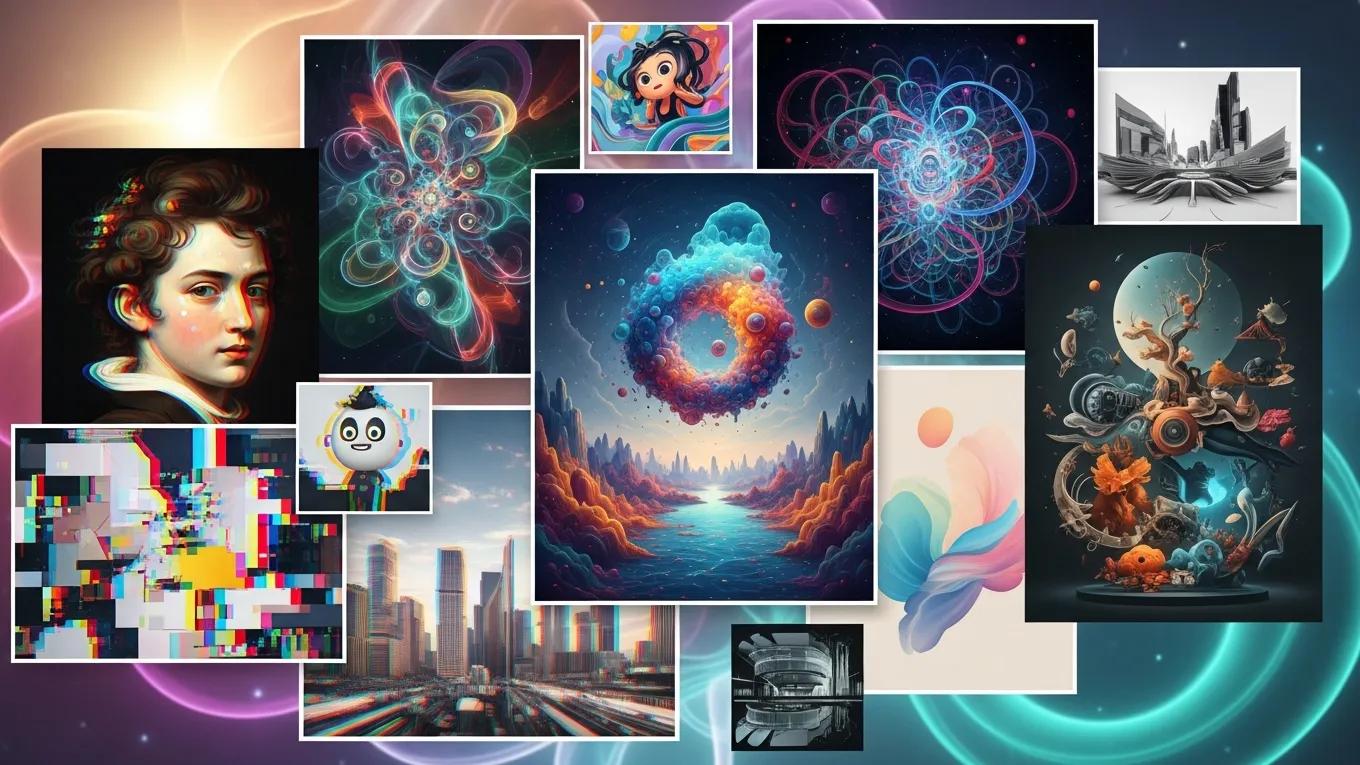
AI art continues to advance as new techniques and machine-learning applications emerge. Maintaining awareness of these developments enables practitioners to remain current with technical capabilities and creative methodologies.
Which Machine Learning Models Enhance Artistic Expression?
Machine-learning models such as generative adversarial networks (GANs) and style-transfer algorithms enable synthesis of stylistic elements and the generation of novel visual concepts. Technical experimentation with these models can expand an artist’s visual repertoire and support exploration of new compositional approaches.
How Are AI Art Techniques Evolving in 2024 and Beyond?
Projections for 2024 and subsequent years indicate continued advancement in deep-learning architectures and neural models. Artists can expect increasingly capable tools that offer greater customization and interactive features. Engagement with these trends supports sustained innovation in digital art practice.
AI art tools provide distinct capabilities that address specific artistic requirements. The following comparison summarizes key attributes of selected platforms to aid informed selection.
The comparison demonstrates the range of tool capabilities, enabling selection that aligns with particular creative workflows and requirements.
In summary, integrating AI into artistic practice presents both opportunities and challenges. Understanding essential tools, integration strategies, and ethical constraints enables practitioners to leverage AI while preserving artistic authorship. Continuous engagement with emerging developments will be necessary to maintain relevance in this evolving domain.
Frequently Asked Questions
What are the benefits of using AI tools for artists?
AI tools deliver increased creative capacity, operational efficiency, and access to novel stylistic approaches. Automation of repetitive tasks permits reallocation of time toward ideation and refinement. Algorithmic generation can surface concepts that broaden an artist’s exploratory range and enable experimentation with techniques that may yield substantive innovation.
How can artists ensure their AI-generated works are original?
To preserve originality, artists should assess the provenance of training data and model behaviors. Select platforms that produce diverse outputs rather than predominantly replicating existing works. Integrate substantive personal input and iterative refinement so that final outputs reflect the artist’s intent and distinguish the work from prior examples.
What role does collaboration play in AI art creation?
Collaboration integrates human expertise with computational capabilities to enhance ideation, critique, and iterative development. Collaborative AI tools facilitate concept generation, structured feedback cycles, and controlled stylistic adjustments, allowing artists to exploit algorithmic strengths while retaining creative agency.
How can artists stay updated on emerging AI art trends?
Maintain currency by monitoring industry publications, participating in professional forums, and attending workshops or conferences focused on AI and the arts. Subscribing to platform newsletters, engaging with practitioner communities, and consulting academic literature provide technical updates and practical applications.
What are the potential downsides of relying on AI in art?
Potential downsides include creative stagnation from excessive reliance on automated outputs, intellectual-property disputes, and algorithmic bias. Practitioners should apply critical oversight, preserve independent creative practices, and employ governance and validation measures to mitigate these risks.
How can artists address biases in AI algorithms?
Address algorithmic bias by evaluating training datasets, vendor documentation, and model transparency. Prefer providers that disclose data provenance and diversity. Implement validation procedures, solicit diverse feedback, and apply corrective measures where biased outputs are identified.
Conclusion
Adoption of AI tools enables creators to augment creativity, streamline workflows, and experiment with advanced techniques. Understanding tool capabilities and ethical considerations supports responsible integration while maintaining artistic voice. Ongoing monitoring of emerging trends and consulting curated resources will assist practitioners in evaluating practical implementations.