


Enterprise Vendor Evaluation and Selection Strategy for Optimized Procurement Outcomes
Selecting vendors for enterprise systems materially affects operational efficiency and strategic outcomes. This analysis examines the core criteria for vendor selection, with an emphasis on aligning vendor capabilities to defined business requirements. It addresses AI governance and risk management considerations and outlines the components of a procurement checklist tailored to enterprise deployments. The discussion also covers digital transformation challenges and current procurement trends to support evidence-based procurement decisions.
What Are the Critical Criteria for Selecting Vendors in Enterprise Systems?
Organizations should evaluate vendor capabilities, historical performance, and compliance with applicable security standards. A rigorous assessment of these criteria reduces exposure to operational and regulatory risk and supports sustained operational efficiency.
How Does AI Vendor Governance Influence Vendor Qualification?
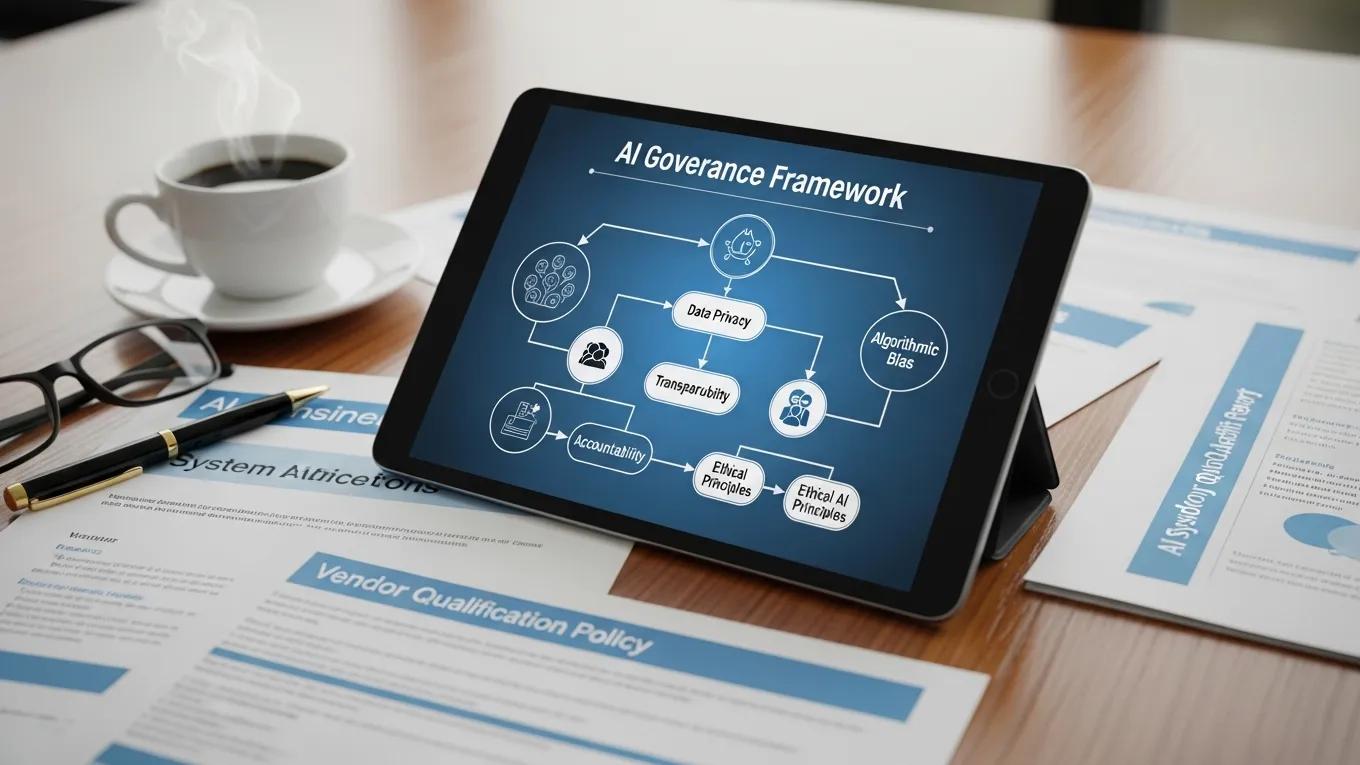
AI vendor governance establishes the frameworks required to verify compliance with ethical principles and regulatory obligations. Organizations that operationalize governance criteria can more accurately assess vendors’ capacity to manage sensitive data and deploy AI systems. Case studies indicate that firms with formal AI governance report fewer compliance incidents and measurable improvements in vendor performance.
Which Risk Management Factors Should Guide Vendor Evaluation?

Risk management identifies vulnerabilities associated with third-party vendors. Principal factors include financial stability, operational resilience, and adherence to industry regulations. Applying established risk assessment methodologies enables organizations to define mitigation measures and maintain a secure procurement lifecycle.
How to Develop a Comprehensive Procurement Checklist for Enterprise System Vendors?
A comprehensive procurement checklist should capture vendor qualifications, compliance evidence, and quantitative risk metrics. Including AI-specific measures ensures procurement processes remain aligned with current technological capabilities and industry best practices.
What AI-Specific Risk Metrics Must Be Included in Procurement Checklists?
Relevant AI risk metrics include vendor experience with AI deployments, conformity to ethical AI guidelines, and the robustness of data protection controls. Incorporating these metrics supports objective evaluation and informed decisions regarding AI initiatives.
How to Integrate Third Party Risk Assessment into Procurement Processes?
Integration requires a systematic process: identify potential risks, evaluate vendor performance, and implement monitoring mechanisms. Adopt integration practices such as regular audits and maintained vendor communication to proactively manage risk and preserve supplier value.
What Are Best Practices for Managing Third Party Risk in Enterprise Vendor Selection?
Best practices comprise comprehensive due diligence, defined compliance requirements, and continuous monitoring of vendor performance. Prioritizing these activities reduces third-party risk and strengthens overall procurement governance.
How to Evaluate Compliance and Security Standards of Vendors?
Evaluation requires assessing vendor adherence to recognized compliance frameworks and security standards, for example ISO 27001 and GDPR where applicable. This assessment verifies security posture and supports confidence in vendor engagements.
Which Frameworks Support Dynamic Risk Mitigation in Vendor Management?
Dynamic risk mitigation frameworks provide a structured methodology to identify, assess, and mitigate vendor-related risks as conditions change. Empirical examples show that organizations adopting adaptive mitigation strategies realize improved vendor performance and reduced operational interruptions.
How Does Digital Transformation Impact Vendor Selection Criteria for Enterprise Systems?
Digital transformation alters vendor selection by increasing the priority of interoperability, scalability, and innovation support. Organizations require vendors capable of integrating with existing architectures and enabling planned digital initiatives.
What Emerging AI Governance Requirements Affect Vendor Contracts?
Emerging AI governance requirements are informing contract provisions to enforce data privacy, algorithmic transparency, and accountability mechanisms. Incorporating these requirements into vendor contracts mitigates AI-related risk and clarifies vendor obligations.
How to Align Vendor Performance Metrics with Digital Innovation Goals?
Align vendor metrics with strategic innovation objectives by defining clear KPIs that measure vendor impact, such as time-to-market for new capabilities and customer satisfaction indices. These KPIs ensure vendor contributions advance the organization’s digital agenda.
What Are the Latest Trends and Future Directions in Enterprise Vendor Procurement?
Enterprise procurement is evolving in response to technological advances and market shifts. Key trends include greater adoption of AI-driven procurement tools and increased emphasis on sustainability criteria in vendor evaluation.
How Will 2026 Procurement Trends Influence Vendor Risk Management?
By 2026, procurement trends are expected to influence vendor risk management through new technologies and regulatory developments. Proactive adaptation of risk frameworks will be necessary to maintain compliance and competitive positioning.
Further research underscores the evolving nature of procurement risks and the requirement for adaptive strategies in response to digital transformation and market shifts.
Risk-Based Procurement Strategies & Digital Transformation
This systematic literature review examines multidimensional strategies for managing procurement risks within retail supply chains, emphasizing how contemporary retail environments are reshaping sourcing practices, risk modeling, and supplier relationship management. The review synthesizes academic and practical developments related to procurement risk, focusing on sourcing flexibility, digital transformation, disruption response, supplier performance measurement, and sustainability compliance.
A systematic review of risk-based procurement strategies in retail supply chains: Sourcing flexibility and vendor disruption management, AR Chowdhury, 2025
What Role Do Case Studies and Industry Statistics Play in Vendor Selection?
Case studies and industry statistics supply empirical evidence on vendor performance and established practices. Analyzing real-world examples enables identification of successful vendor engagements and extraction of operational lessons. This evidence-based approach improves the rigor of vendor selection.
Comparative analysis of vendor selection criteria facilitates a structured and comprehensive evaluation process.
The comparison highlights the critical factors organizations must consider to ensure vendor selection aligns with strategic objectives.
Frequently Asked Questions
What are the common challenges organizations face during vendor selection?
Common challenges include unclear evaluation criteria, difficulty verifying vendor capabilities, and ensuring compliance with regulatory requirements. Rapid technological change complicates selection of vendors aligned to future needs, and integration with existing systems can cause operational disruption. These issues necessitate a documented strategy and comprehensive due diligence.
How can organizations ensure effective communication with vendors?
Establish formal communication channels and protocols, schedule regular governance meetings, and document feedback and decisions. Regular status updates and use of collaborative tools support transparency and timely issue resolution. Structured communication practices strengthen vendor alignment with business objectives.
What role does sustainability play in vendor selection?
Sustainability is an increasingly material criterion in vendor selection. Vendors demonstrating practices such as carbon-reduction initiatives or ethical sourcing can support regulatory compliance and corporate responsibility objectives. Prioritizing sustainability in procurement can contribute to reputational value and competitive differentiation.
How can organizations measure vendor performance effectively?
Define KPIs that align with organizational objectives, such as delivery lead times, quality metrics, contract compliance, and customer satisfaction. Conduct periodic performance reviews and audits to assess these measures and identify improvement opportunities. A structured performance management system ensures vendors meet contractual and strategic expectations.
What are the implications of digital transformation on vendor relationships?
Digital transformation requires vendors capable of delivering integrated, innovative solutions and demonstrating operational agility. Organizations should prioritize vendors with proven technical proficiency and a commitment to iterative improvement to support rapid market adaptation.
How can organizations stay updated on vendor procurement trends?
Maintain subscriptions to relevant industry publications, participate in conferences and webinars, and engage with peer networks and external experts. Employ analytics to monitor market developments and vendor performance. These activities enable informed, timely adjustments to procurement strategy.
Conclusion
Effective vendor selection is a determinative factor in optimizing procurement outcomes and sustaining operational performance. By applying rigorous criteria, robust risk management, and consideration of digital transformation impacts, organizations can make evidence-based decisions that align with strategic objectives. Implementing procurement best practices reduces risk exposure and cultivates vendor partnerships that support innovation. Review and refine vendor selection processes to maintain organizational competitiveness.