


Strategic Inquiry and Professional Consultation
Art initiatives and cultural partnerships constitute structured interventions that support enterprise innovation, cross-functional collaboration, and community engagement. This article examines the core components of artist collaboration programs, the operational impact of artificial intelligence on those programs, and the role of cultural exchange projects in enterprise growth. It also reviews AI-enabled curation methods, the contribution of community art partnerships to systems innovation, and the alignment of creative initiatives with digital transformation objectives. Understanding these elements enables organizations to incorporate art and culture into governance and operational frameworks with measurable intent.
What Are the Core Components of Artist Collaboration Programs in Enterprise Contexts?
Artist collaboration programs are formalized initiatives that align artistic practice with corporate objectives. They provide mechanisms for artist engagement, exhibition curation, and institutional cultural partnerships intended to advance creativity, stakeholder engagement, and organizational identity within enterprise settings.
Defining Artist Collaboration Programs and Their Strategic Importance
Artist collaboration programs operate as interfaces between creative practitioners and corporate operations. Strategically, they increase brand visibility and embed multidisciplinary perspectives into product, service, and workplace innovation processes, contributing to differentiated market positioning and enhanced stakeholder retention.
How AI Enhances Artist Collaboration and Curation Processes
Artificial intelligence augments collaboration and curation by automating data processing, identifying patterns in audience behavior, and surfacing prospective partnerships. Applied correctly, AI improves curation efficiency and supports evidence-based decisions that increase relevance and adherence to quality criteria.
Dr. George Dagliyan is identified as an expert in artificial intelligence governance, enterprise systems innovation, and risk management, with a specific focus on applying AI within art initiatives and cultural partnerships. His expertise provides guidance on governance structures and operational approaches for responsible AI integration in creative contexts.
How Do Cultural Exchange Projects Foster Innovation and Enterprise Growth?
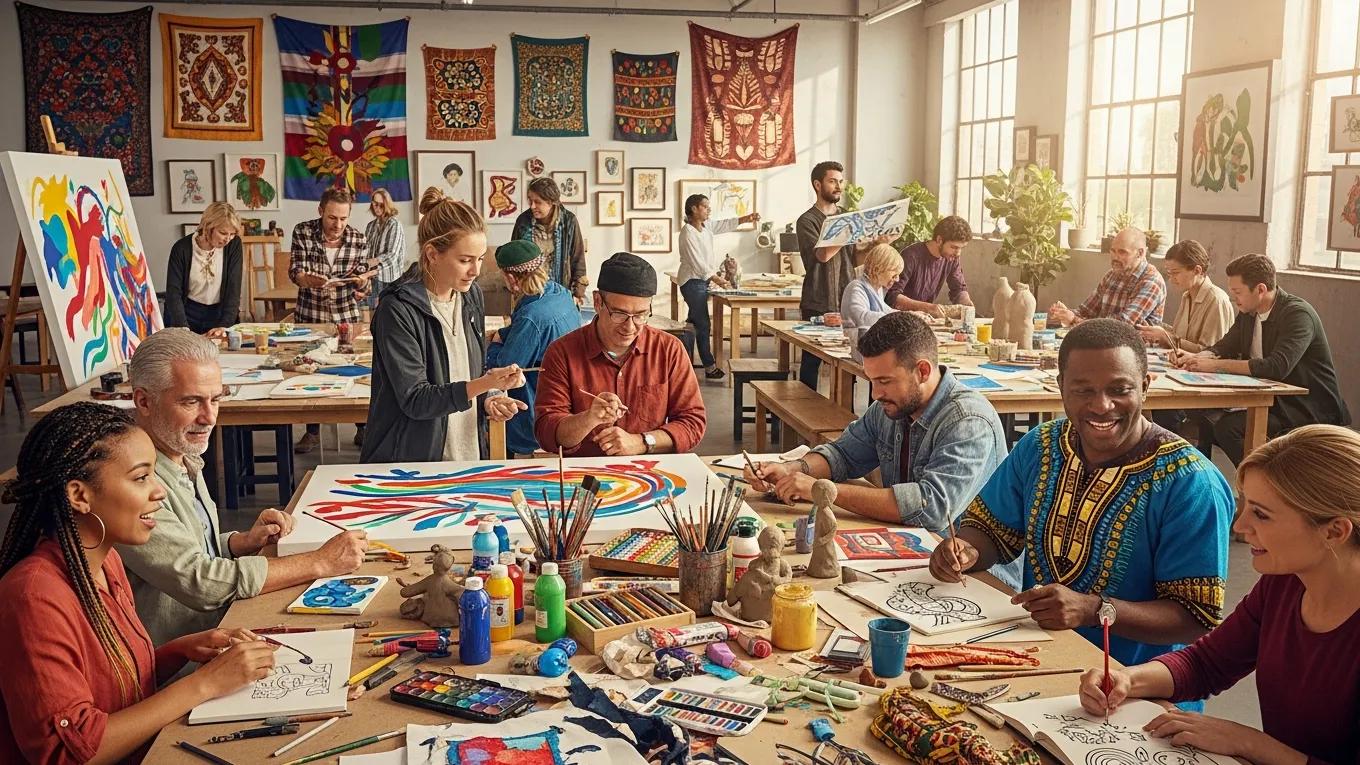
Cultural exchange projects enable transfer of practices, methodologies, and artistic perspectives across contexts, which can expand an enterprise’s creative resource base. These initiatives facilitate collaboration, introduce new problem-solving approaches, and generate insights that support innovation and performance improvement.
Models of Cultural Exchange in Corporate Partnerships
Common models include artist residencies, collaborative exhibitions, and cross-cultural workshops. Each model delivers discrete operational benefits such as access to diverse practice, audience development, and structured engagement channels for external stakeholders.
Measuring Impact: Metrics and Case Studies of Successful Cultural Exchanges
Organizations should measure cultural exchange outcomes using quantitative and qualitative indicators, including audience engagement metrics, brand awareness measures, and community participation rates. Case studies that document these indicators provide evidence of impact and inform subsequent strategic decisions.
The table presents representative outcomes for different cultural exchange models and underscores the need for strategic planning to achieve targeted impact across defined metrics.
What Are Effective Art Curation Strategies Leveraging Artificial Intelligence?
Effective curation strategies integrate AI tools into selection, sequencing, and visitor-experience design to improve relevance and operational efficiency. AI supports reproducible, data-informed workflows that align curatorial decisions with audience and organizational objectives.
AI-Driven Artist Selection and Exhibition Planning
AI-driven selection uses algorithmic analysis of portfolios, audience signals, and market data to generate candidate shortlists and exhibition schemas. This data-driven methodology enables curators to prioritize resources and configure exhibitions that demonstrate empirical alignment with audience preferences.
This data-driven approach to curation is further elaborated by research highlighting AI’s transformative potential in managing and presenting art.
AI & Blockchain in Art Curation: Ethical Practices & Engagement
The integration of artificial intelligence (AI) and blockchain technology in curatorial practice offers transformative potential for managing, presenting, and distributing both traditional and digital art. This study explores how AI enhances curatorial processes through advanced data analysis and personalized visitor experiences. AI assists curators in organizing collections and recommending artworks tailored to individual preferences, fostering greater engagement with dynamic, customized exhibitions.
Transforming Curatorial Practices: The Role of AI and Blockchain in Shaping an Ethical Art-Science Paradigm for Public Policy, AS Dartanto, 2024
Governance Frameworks for Ethical AI Use in Art Curation
Implementing ethical governance frameworks is necessary to manage algorithmic bias, ensure process transparency, and define accountability for AI-assisted decisions. Clear policies and documented controls promote trust, regulatory compliance, and reproducible curatorial outcomes.
The broader implications of AI in art curation, including its revolutionary potential and inherent challenges, are also a subject of ongoing academic discussion.
AI in Art Curation: Revolutionizing Exhibitions & Addressing Challenges
The integration of Artificial Intelligence (AI) into contemporary art curation is revolutionizing how exhibitions are designed, artworks are selected, and audiences interact with art. Through technologies such as machine learning, natural language processing (NLP), and computer vision, AI enables curators to analyze vast collections, predict visitor preferences, and construct dynamic exhibition experiences. This paper examines the dual nature of AI in art curation—its potential to enhance creativity and efficiency, and the ethical, technical, and philosophical challenges it introduces.
The Application and Challenges of Artificial Intelligence in Contemporary Art Curation, 2025
How Do Community Art Partnerships Contribute to Enterprise Systems Innovation?
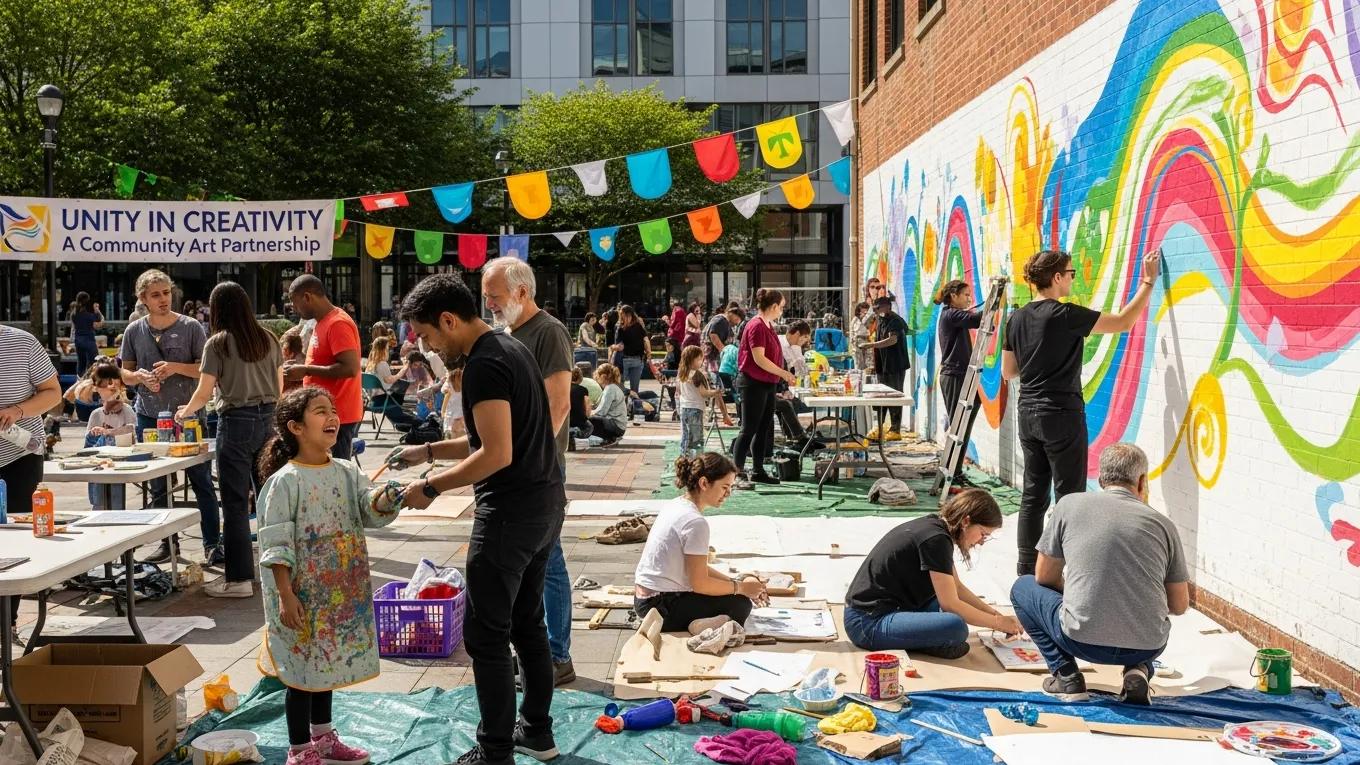
Community art partnerships contribute to systems innovation by establishing collaborative channels between enterprises and local stakeholders. These engagements yield context-specific insights and co-created solutions that can address social challenges while supporting corporate social responsibility objectives.
Integrating Community Engagement into Corporate Cultural Initiatives
Integration requires structured involvement of local artists and residents in project governance, planning, and delivery. Formal participation mechanisms enhance project relevance, strengthen social capital, and reinforce the organisation’s external relationships.
Risk Management Approaches in Community Art Collaborations
Effective risk management in community collaborations involves systematic risk identification, mitigation planning, and contingency measures for issues such as stakeholder opposition, logistical constraints, and reputational exposure. Robust frameworks reduce operational uncertainty and improve project deliverability.
What Defines Creative Enterprise Initiatives and Their Role in Digital Transformation?
Creative enterprise initiatives integrate artistic methodologies into strategic planning and digital transformation programs to stimulate innovation, improve user experience, and adapt to evolving market conditions.
Strategic Alignment of Creative Initiatives with Enterprise Objectives
Strategic alignment ensures that artistic projects are mapped to corporate KPIs and contribute to objectives such as brand differentiation, customer engagement, and revenue generation. Consistent alignment supports measurable outcomes and organizational adoption.
Consulting and Advisory Services for AI-Enabled Cultural Partnerships
Consulting and advisory services provide expertise in governance design, risk assessment, and implementation roadmaps for AI-enabled cultural partnerships. External advisors can assist with best practices, compliance considerations, and capability building to support effective program delivery.
Frequently Asked Questions
What are the benefits of integrating art initiatives into corporate strategies?
Integrating art initiatives into corporate strategy can strengthen creativity, employee engagement, and brand differentiation. These programs support cross-functional collaboration and community engagement, which can contribute to improved public perception and stakeholder retention.
How can organizations measure the success of their art initiatives?
Success can be measured through quantitative metrics such as audience engagement, social media activity, and participation rates, alongside qualitative feedback from participants. Longitudinal tracking of brand awareness and customer loyalty provides additional performance context. Case studies serve as comparative benchmarks.
What role does community involvement play in art initiatives?
Community involvement ensures that projects reflect local needs and perspectives, thereby enhancing relevance and impact. Engaging community participants in planning and delivery also supports social cohesion and generates locally informed solutions.
What challenges do organizations face when implementing art initiatives?
Common challenges include budgetary limitations, stakeholder resistance, logistical complexity, alignment between artistic and business objectives, and ethical considerations related to AI use. A clear strategy and comprehensive risk-management framework mitigate these risks.
How can AI be used to enhance community art partnerships?
AI can supply data-driven insights on community preferences and engagement patterns to inform project design. Additionally, AI can automate administrative processes to allocate more resources to creative collaboration and stakeholder engagement.
What are some examples of successful cultural exchange projects?
Representative examples include artist residencies, collaborative exhibitions, and cross-cultural workshops. Reported outcomes include a 30% increase in local participation for residencies, a 25% rise in social media mentions following cross-cultural workshops, and a 40% increase in event attendance for collaborative exhibitions.
How can organizations ensure ethical governance in AI-driven art initiatives?
Ethical governance requires documented policies addressing algorithmic bias, transparency, and accountability. Implementing governance frameworks, conducting periodic audits, and maintaining compliance procedures support stakeholder trust and operational integrity.
Conclusion
Integrating art initiatives and cultural partnerships into enterprise strategy supports innovation, community engagement, and brand differentiation. When combined with AI-enabled curation and robust governance, these initiatives can be optimized for measurable impact and alignment with digital transformation objectives. Contact our consulting team to evaluate and implement art initiatives that meet your organisational goals.