


Comprehensive Enterprise Risk Management Frameworks and Strategy: Implementing AI-Driven Risk Governance for Executives
Organizations face a broad spectrum of risks that can materially affect operations and strategic objectives. Enterprise Risk Management (ERM) frameworks deliver a structured process to identify, assess, and mitigate those risks, enabling organizations to manage uncertainty with greater rigor. This article examines the core components of ERM, the implications of AI integration, and best practices for designing resilient risk architectures. It also reviews consulting approaches that improve framework implementation. Executives will obtain practical guidance to manage digital-transformation risks and to incorporate AI into risk governance.
What Constitutes an Effective Enterprise Risk Management Strategy?
An effective Enterprise Risk Management (ERM) strategy establishes a systematic process to identify, analyze, and respond to risks that could impede organizational objectives. It protects assets, supports long-term sustainability, and strengthens decision-making by embedding risk considerations across the enterprise. A clearly defined ERM strategy also cultivates organizational awareness of risk and accountability for mitigation.
Defining Core Components of Enterprise Risk Assessment and Governance Models
Core elements of an ERM strategy include risk identification, risk assessment, risk response, and ongoing risk monitoring. Risk identification catalogs potential threats; risk assessment quantifies likelihood and impact; risk response defines mitigation or transfer actions; and monitoring tracks residual exposure. A governance model codifies decision rights and accountability, ensuring these components align with strategic objectives.
How Do Industry Standards Like COSO ERM and ISO 31000 Guide Risk Frameworks?
Industry standards such as COSO ERM and ISO 31000 provide structured guidance for designing and implementing risk frameworks. COSO emphasizes integration of risk management with governance and strategy, while ISO 31000 defines principles and a process-driven approach. Both standards promote proactive embedding of risk considerations into strategic planning and operational decision making.
Traditional frameworks such as COSO ERM and ISO 31000 provide a robust foundation; the integration of AI introduces new paradigms for risk perception, prediction, and management.
AI Integration in Organizational Risk Management & ERM Frameworks
This review positions organizational risk management as a strategic function that extends beyond financial loss and operational disruption to a broader set of uncertainties affecting sustainability and competitiveness. It synthesizes established frameworks, including ISO 31000 and COSO ERM, and evaluates how advances in artificial intelligence (AI) alter risk perception, prediction, and management. The article systematically defines core concepts, clarifies theoretical frameworks, and identifies outstanding research questions through a comprehensive literature review, offering a theoretical overview that integrates AI-driven tools and methods.
Risk management in an organization in the era of AI–a theoretical approach, B Mróz-Gorgoń, 2019
How Does AI Integration Transform Enterprise Risk Management Frameworks?
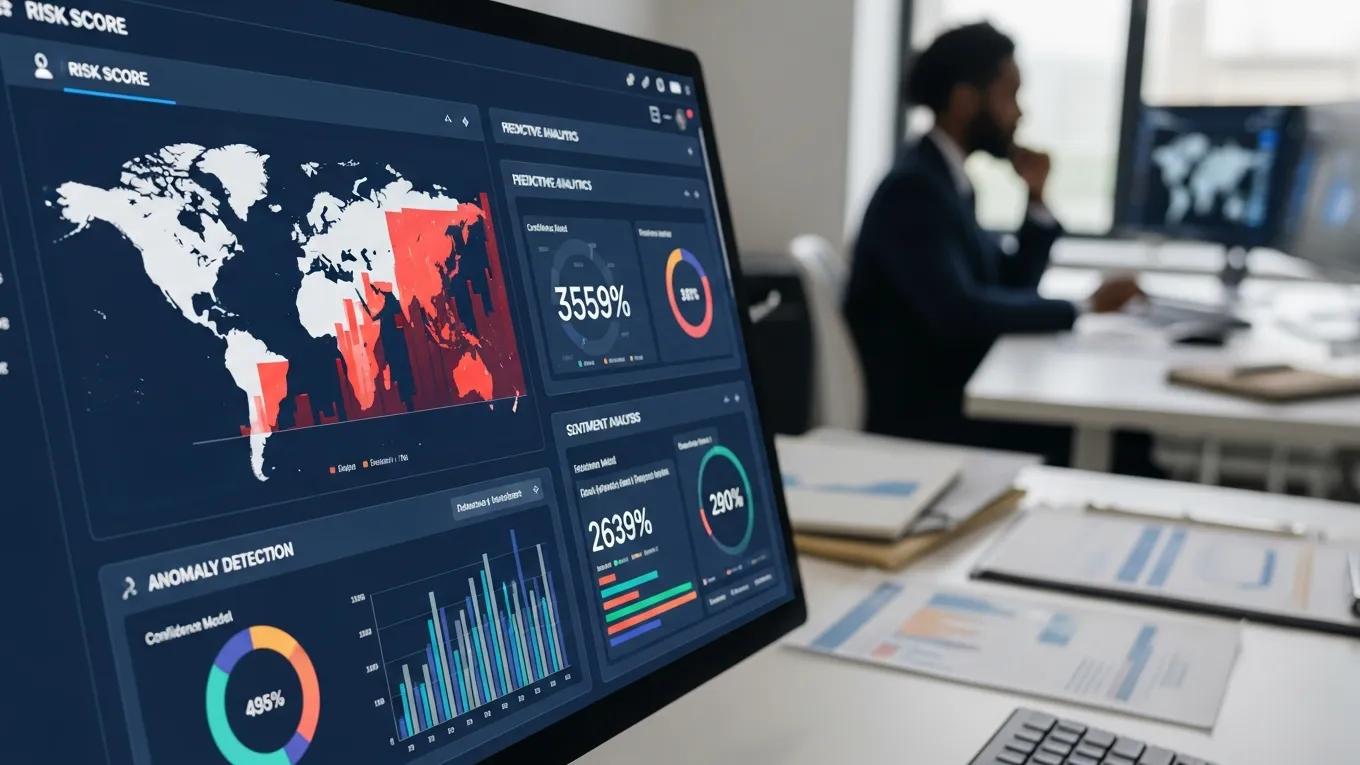
The integration of artificial intelligence (AI) into ERM frameworks materially changes risk management practices. AI enables real-time analytics, predictive modeling, and decision-support capabilities that improve detection of emerging threats and accelerate response. When applied appropriately, AI enhances the precision and timeliness of risk assessments and strengthens mitigation strategies.
Research further highlights AI’s role in improving operational efficiency and decision quality, particularly in enterprise financial risk management.
AI’s Role in Enterprise Financial Risk Management & Optimization
With rapid advances in information technology, AI has become an important tool in enterprise financial risk management, with the potential to improve efficiency and decision making. The research examines AI applications in risk identification, data processing, and predictive evaluation, and documents how these technologies transform traditional practices. It also identifies practical challenges, including limited adaptability of some AI models to dynamic financial contexts, inconsistent data quality and integration, and insufficient institutional support for broad deployment. To address these issues, the study recommends targeted improvements such as development of tailored AI models aligned to organizational contexts and optimization of data processing workflows to ensure reliability.
Research on the Application of AI in Enterprise Financial Risk Management and Its Optimization Strategy, 2025
Key Features of AI Risk Frameworks in Digital Transformation Contexts
AI risk frameworks typically incorporate real-time monitoring, predictive analytics, and automated reporting. These capabilities enable early identification of potential exposures and support proactive mitigation. For example, predictive analytics can forecast supply-chain interruptions, allowing the organization to implement contingency measures prior to disruption.
The strategic application of AI-driven frameworks is essential for managing the complexities associated with digital transformation and for enabling proactive risk management.
AI-Driven Frameworks for Proactive Enterprise Risk Management
Strategic digital transformation has accelerated AI adoption across organizations, affecting risk management, regulatory compliance, and sustainability practices. As AI systems assume greater roles in decision making, companies confront heightened risks related to ethics, data governance, compliance, and operational resilience. The study analyzes how AI-driven frameworks address these challenges and support responsible, scalable, and sustainable transformation. It examines core elements of AI risk management—governance, risk mapping, measurement, and ongoing oversight—and considers how these components enable a shift from reactive to proactive risk strategies, underscoring the need for effective AI governance.
Strategic Digital Transformation: Reviewing AI-Driven Frameworks for Risk Management, Regulatory Compliance, and
Sustainability, I Jahan, 2025
What Are the Emerging AI Governance Standards Impacting Risk Architecture?
Emerging AI governance standards are defining requirements for ethical AI deployment and accountability. These standards address data privacy, algorithmic bias, and transparency in automated decision making. Compliance with such standards strengthens risk governance and enhances stakeholder confidence.
What Are Best Practices for Designing and Implementing Risk Architecture?
Effective risk architecture design requires a strategic approach aligned with organizational objectives and risk appetite. Best practices include establishing clear governance, integrating risk management into business processes, and promoting consistent accountability and risk awareness across functions.
Strategic Alignment of Risk Architecture with Enterprise Performance Metrics
Aligning risk architecture with enterprise performance metrics ensures that risk management contributes to organizational outcomes. Identify key performance indicators (KPIs) tied to risk objectives and monitor them regularly to evaluate strategy effectiveness. This alignment enables informed decisions that balance risk exposure and performance targets.
How to Develop Scalable Risk Governance Models for Complex Organizations
Scalable risk governance models are required for organizations with complex structures and diverse operations. Design models that can be adapted across business units and jurisdictions and that support consistent risk practices. Leveraging technology and analytics facilitates scaling governance as the organization grows and the risk environment evolves.
How Can Digital Transformation Risks Be Effectively Managed Within ERM Frameworks?
Digital transformation introduces new categories of risk that must be accounted for within ERM frameworks. Effective management requires a comprehensive assessment of technical, operational, and regulatory challenges associated with digital initiatives.
Identifying and Mitigating Risks Associated with Digital Innovation
Conduct structured risk assessments to identify exposures linked to digital initiatives, including cybersecurity threats, data privacy vulnerabilities, and potential operational disruptions. Implement robust mitigation controls and contingency plans to reduce the likelihood and impact of these risks on transformation programs.
Role of AI-Driven Analytics in Enhancing Digital Transformation Risk Management
AI-driven analytics provide actionable insights into system vulnerabilities and emerging threats, enabling data-driven decisions that improve resilience. Applied responsibly, these analytics increase the speed and accuracy of risk detection and support timely mitigation during digital transformation.
What Consulting Approaches Optimize Enterprise Risk Management Frameworks?
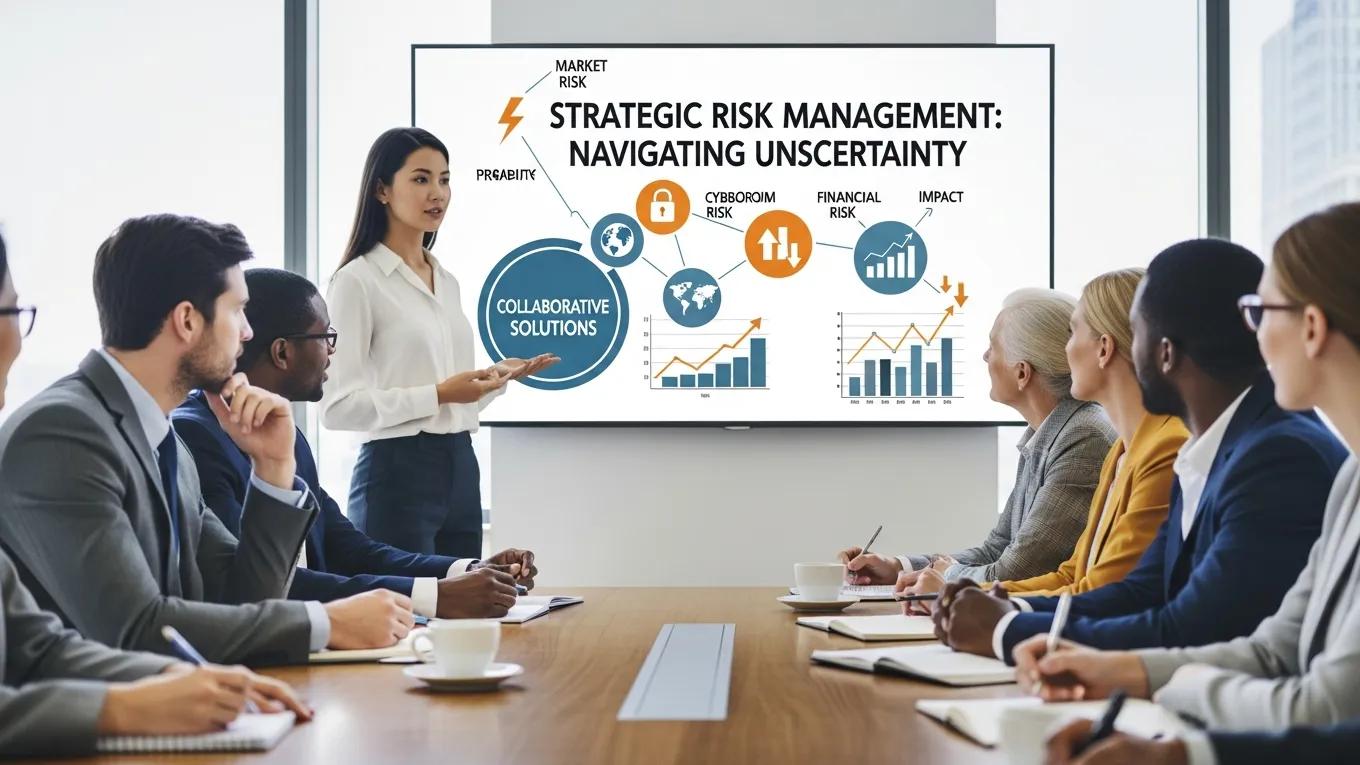
Consulting approaches that optimize ERM frameworks combine strategic advisory, technology implementation, and capability building. External specialists provide methodology, implementation support, and training to align risk practices with organizational objectives.
Leveraging Expert Advisory Services for AI-Driven Risk Governance
Expert advisory services assist organizations in addressing the complexities of AI-driven risk governance. Consultants with domain expertise in AI and risk management develop tailored strategies that align with the organization’s risk profile and governance requirements, thereby strengthening oversight and operational effectiveness.
Case Studies Demonstrating Successful AI Integration in ERM Strategies
Case studies of AI integration in ERM illustrate implementation approaches, measurable outcomes, and lessons learned. These documented examples demonstrate how organizations leveraged AI to improve risk processes, decision making, and incident reduction, enabling peers to assess applicability to their own objectives.
Which Metrics and KPIs Best Measure the Success of Enterprise Risk Management Strategies?
Measuring ERM success requires selecting metrics and key performance indicators (KPIs) that reflect risk objectives and governance goals. Relevant measures provide insight into program effectiveness and inform ongoing adjustments.
Evaluating Risk Mitigation Effectiveness Through Data-Driven Performance Indicators
Use data-driven indicators to evaluate mitigation effectiveness. Establish KPIs aligned to risk objectives, monitor performance routinely, and identify trends that indicate improvement opportunities. This disciplined evaluation informs evidence-based adjustments to risk strategies.
How to Monitor and Update ERM Frameworks in Response to Evolving AI Risks
Establish formal processes for periodic review and update of ERM frameworks to address evolving AI-related risks. Regular governance reviews, scenario testing, and incorporation of new regulatory or operational insights ensure frameworks remain fit for purpose.
Frequently Asked Questions
What are the key challenges organizations face when implementing AI in risk management?
Common challenges include ensuring access to high-quality data, integrating AI models with existing workflows, and managing organizational resistance to change. Additional issues arise from model adaptability in dynamic environments and limited institutional capacity for sustained deployment. Addressing these challenges requires strategic planning, targeted training, and sustained governance to support adoption.
How can organizations ensure compliance with emerging AI governance standards?
Organizations should maintain a dedicated compliance function that tracks relevant regulations and standards. That function should develop policies for ethical AI use addressing data privacy, algorithmic transparency, and accountability; deliver regular training; and operate monitoring mechanisms to assess adherence and update governance as regulations evolve.
What role does leadership play in fostering a risk-aware culture?
Leadership establishes the tone for risk governance by embedding risk considerations into strategy and decision making. Executives should model risk-aware behaviour, encourage transparent reporting of issues, and allocate resources for training and controls. Such actions reinforce accountability and drive organisation-wide engagement with risk management.
How can organizations measure the effectiveness of their AI-driven risk management strategies?
Effectiveness is measured through KPIs aligned to risk objectives, for example: time to identify risks, predictive model accuracy, and reduction in risk-related incidents. Regular review of these metrics and periodic audits provide evidence for adjustments and continuous improvement of AI initiatives.
What best practices should organizations follow when designing AI risk frameworks?
Best practices include establishing clear governance, defining roles and responsibilities, integrating risk controls into business processes, and ensuring frameworks are adaptable and scalable. Prioritise transparency in AI decision processes, engage stakeholders for feedback, and implement continuous monitoring and updates to address emerging risks and technological changes.
How can organizations balance innovation and risk management during digital transformation?
Balancing innovation and risk management requires a risk-based approach that evaluates potential risks alongside opportunity. Employ agile methods to enable controlled experimentation with appropriate oversight, and promote collaboration between innovation teams and risk professionals to identify and mitigate risks early in development.
Conclusion
Implementing a comprehensive Enterprise Risk Management (ERM) framework is necessary to manage complex business risks effectively. Integrating AI-driven tools can strengthen risk assessment, improve decision making, and enable more proactive risk management. These approaches protect assets and align risk management with enterprise performance metrics. Discover how our consulting services can help you optimize your ERM framework today.