


Shaping Work Culture around Data and AI: Strategies for Data Driven Decision Making and Enterprise AI Governance
Organizations increasingly recognize the strategic value of integrating data and artificial intelligence (AI) into organizational culture. Such integration strengthens decision-making capabilities and supports an operational environment oriented toward innovation and agility. This article examines practical strategies for establishing a data-driven culture that supports AI integration, the governance frameworks applicable at enterprise scale, and the leadership practices required for effective digital transformation. A clear understanding of these elements enables organizations to manage transformation complexities and leverage data and AI to improve performance and growth.
How can organizations build a data driven culture to support AI integration?
A data-driven culture is a precondition for successful AI integration. It requires embedding data into decision processes and enabling personnel at all levels to apply data insights in their roles. The resulting cultural shift improves operational efficiency and enhances organizational adaptability. Organizations operationalize this change by advancing data literacy, facilitating cross-functional collaboration, and codifying data governance policies.
What are the key components of cultural transformation for data adoption?
Cultural transformation for data adoption involves several key components:
- Leadership Commitment: Strong leadership is crucial in driving the cultural shift towards data adoption. Leaders must champion data initiatives and model data-driven decision-making.
- Employee Engagement: Engaging employees in the transformation process fosters a sense of ownership and accountability. This can be achieved through training programs and open communication about the benefits of data utilization.
- Training and Resources: Providing employees with the necessary training and resources ensures they have the skills to analyze and interpret data effectively. This investment in human capital is vital for sustaining a data-driven culture.
Collectively, these components establish an environment where data is consistently valued and applied, enabling successful AI deployment.
How does data literacy influence organizational change?
Data literacy enables employees to interpret analytics, identify trends, and produce evidence-based recommendations. Investment in data literacy improves decision quality, operational efficiency, and innovation capacity. Targeted training programs materially enhance an organization’s ability to respond to market changes and to integrate AI technologies effectively.
What frameworks define effective enterprise AI governance?
Enterprise AI governance frameworks manage AI-related risks and support regulatory compliance. They provide structured guidance for responsible and ethical AI deployment and help maintain stakeholder trust.
Which AI governance models mitigate risks and enhance compliance?
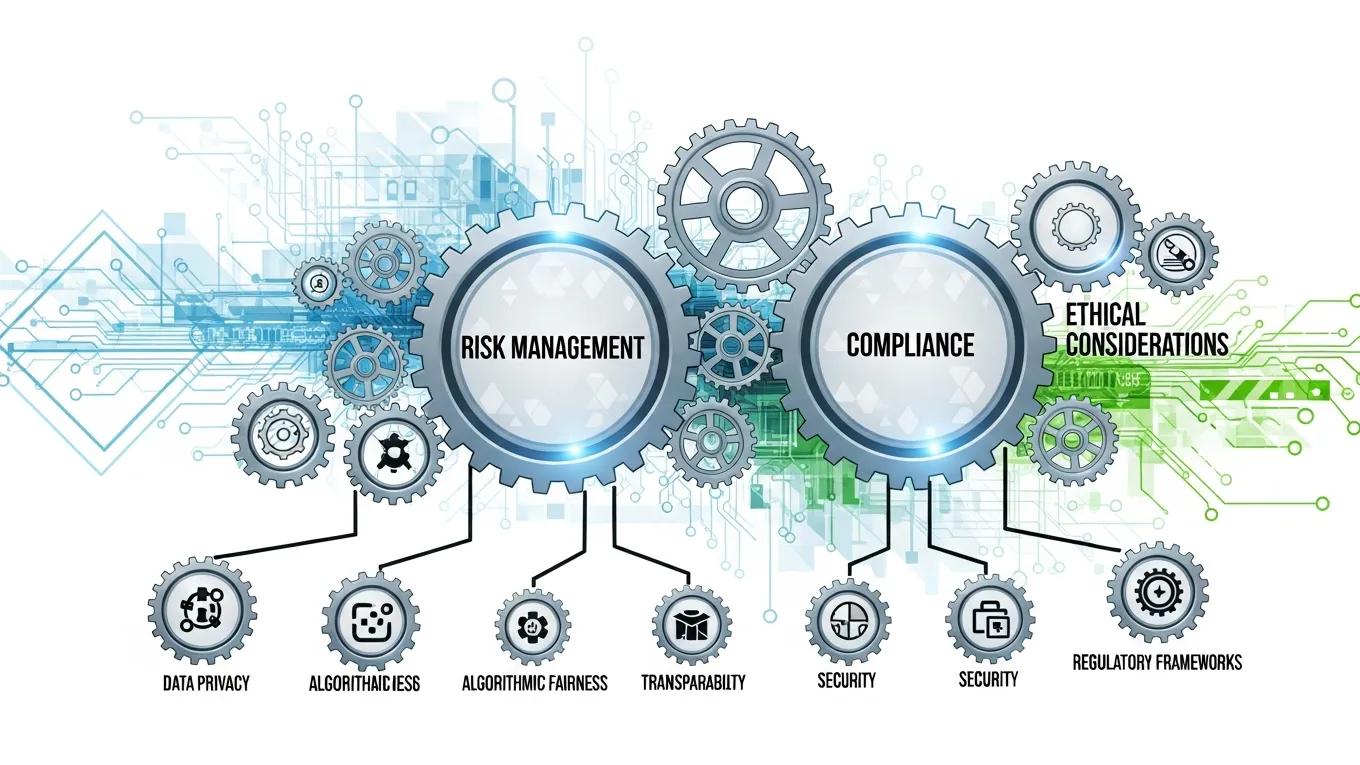
Several governance models address the complexities of AI implementation:
- Risk-Based Governance Model: This model focuses on identifying and mitigating risks associated with AI technologies, ensuring that organizations can navigate potential pitfalls effectively.
- Compliance-Driven Governance Model: This approach emphasizes adherence to regulatory requirements, helping organizations maintain compliance while leveraging AI capabilities.
- Ethical Governance Model: This model prioritizes ethical considerations in AI deployment, ensuring that AI systems are designed and implemented in a manner that respects user privacy and promotes fairness.
Adoption of these models strengthens compliance and risk-mitigation capabilities for AI initiatives.
How do governance frameworks improve enterprise performance metrics?
Governance frameworks improve enterprise performance by aligning AI deployment with organizational objectives. Robust governance is associated with measurable improvements in KPIs such as operational efficiency, customer satisfaction, and revenue performance. By enforcing accountability and transparency, these frameworks enable effective use of AI while reducing enterprise risk.
How can leadership drive successful digital transformation initiatives?
Leadership is central to digital transformation. Effective leaders cultivate a change-oriented culture that supports innovation and enables the organization to adapt to digital technologies and processes.
What leadership strategies foster organizational agility in AI adoption?

Leaders can advance organizational agility in AI adoption through the following measures:
- Building a Technology-Ready Culture: Leaders should promote a culture that embraces technology and innovation, encouraging employees to experiment with new tools and methodologies.
- Enhancing Trust and Brand Influence: By demonstrating transparency and accountability in AI initiatives, leaders can build trust among employees and stakeholders, fostering a collaborative environment.
- Addressing Adoption Inhibitors: Identifying and addressing barriers to AI adoption, such as resistance to change or lack of resources, is essential for ensuring a smooth transition to a data-driven culture.
These measures enable organizations to address AI adoption complexities and to execute digital transformation with reduced operational friction.
How do executives align AI risk management with business objectives?
Aligning AI risk management with business objectives enables organizations to harness AI in support of strategic goals. Executives accomplish alignment by establishing a technology-ready culture, embedding governance into corporate strategy, and instituting monitoring processes for continuous improvement.
What are the best practices for managing AI-related risks in enterprises?
Effective AI risk management is necessary to deploy AI responsibly. Implementing established risk practices helps organizations address operational and ethical concerns while maintaining compliance.
Which risk management strategies address ethical and operational AI challenges?
Organizations can adopt several risk management strategies to address ethical and operational challenges associated with AI:
- Ethical AI Frameworks: Establishing ethical guidelines for AI development and deployment ensures that AI systems are designed with fairness, accountability, and transparency in mind.
- Operational Risk Assessments: Conducting regular assessments of AI systems helps organizations identify potential operational risks and implement mitigation strategies.
- Stakeholder Engagement: Involving stakeholders in the AI development process fosters transparency and accountability, ensuring that diverse perspectives are considered in decision-making.
Collectively, these strategies allow organizations to mitigate AI risks and to embed ethical practices into deployment processes.
How can organizations monitor and mitigate AI adoption risks effectively?
Organizations can monitor and mitigate AI adoption risks through the following practices:
- Continuous Monitoring: Regularly assessing AI systems and their performance allows organizations to identify potential risks and make necessary adjustments.
- Risk Mitigation Plans: Developing comprehensive risk mitigation plans ensures that organizations are prepared to address potential challenges associated with AI adoption.
- Utilizing Risk Management Tools: Leveraging advanced risk management tools and technologies can enhance organizations’ ability to monitor and mitigate risks effectively.
Implementation of these practices helps organizations manage adoption complexity and limit exposure to operational and compliance risks.
How is enterprise performance measured following cultural and AI transformations?
Assessing enterprise performance after cultural and AI transformations requires tracking KPIs that reflect the initiatives’ organizational impact. Quantitative and qualitative indicators together provide a comprehensive view of outcomes.
What key performance indicators reflect successful AI governance?
Key performance indicators indicative of effective AI governance include:
- Operational Efficiency Metrics: Metrics such as process cycle time and resource utilization can indicate improvements in operational efficiency resulting from AI integration.
- Customer Satisfaction Scores: Monitoring customer satisfaction can provide insights into the effectiveness of AI-driven solutions in enhancing customer experiences.
- Revenue Growth: Tracking revenue growth can help organizations assess the financial impact of AI initiatives and cultural transformations.
Monitoring these KPIs enables informed decisions regarding AI governance and future investments.
How do data driven decision making and AI impact operational efficiency?
Data-driven decision-making combined with AI enhances operational efficiency by enabling decisions informed by near-real-time analytics. This permits process optimization, cost reduction, and productivity improvements. AI models can analyze large datasets to detect inefficiencies and recommend targeted operational adjustments, producing measurable efficiency gains.
What consulting and advisory services support cultural transformation around data and AI?
Consulting and advisory services provide specialized expertise and resources to support cultural transformation for data and AI. These services address technical, governance, and change-management dimensions of digital transformation.
How do expert-led AI governance consulting services facilitate change?
Expert-led AI governance consulting services facilitate change by:
- Framework Development: Consultants can assist organizations in developing robust AI governance frameworks that align with their strategic objectives.
- Building Trust: By providing transparent and accountable guidance, consultants help organizations build trust among stakeholders during the transformation process.
- Cultural Engagement Strategies: Consultants can implement strategies to engage employees in the transformation process, fostering a culture that embraces data and AI.
Such services are instrumental for organizations that aim to navigate cultural transformation and operationalize data and AI capabilities.
What role do speaking engagements and thought leadership play in digital transformation?
Speaking engagements and thought leadership disseminate evidence-based insights and influence organizational approaches to digital transformation. Leaders who present documented experience and best practices accelerate organizational learning, support workforce readiness, and facilitate adoption of data and AI methodologies. Participation in industry forums and dissemination of validated practices contributes to greater organizational capacity to implement new technologies and processes.
Frequently Asked Questions
What are the challenges organizations face when integrating AI into their culture?
Common challenges include employee resistance to change, limited data literacy, and insufficient executive sponsorship. Organizations also frequently encounter misalignment between AI initiatives and existing processes, and difficulties in maintaining ethical and regulatory compliance. Addressing these issues requires structured training, targeted communication, and sustained leadership commitment.
How can organizations measure the success of their AI integration efforts?
Success measurement requires tracking specific KPIs that capture operational and strategic outcomes. Quantitative indicators—operational efficiency, customer satisfaction, and revenue growth—should be complemented by qualitative measures such as employee engagement and stakeholder feedback. Regular evaluation cycles and iterative adjustments ensure alignment with organizational objectives and realization of expected benefits.
What role does employee training play in fostering a data-driven culture?
Training equips employees with the skills to analyze and interpret data and to apply insights in decision-making. Structured programs increase data literacy and confidence in AI tools, enabling controlled experimentation and continuous improvement. Ongoing education supports sustained application of data-driven practices and contributes to improved decision quality and operational performance.
How can organizations ensure ethical AI practices during implementation?
Establishing formal ethical guidelines for AI development and deployment supports fairness, accountability, and transparency. Engaging diverse stakeholders during development helps surface potential biases and ethical risks. Conducting periodic audits of AI systems verifies compliance and informs remediation. Institutionalizing ethical oversight reduces reputational and regulatory exposure.
What strategies can leaders use to promote a culture of innovation in AI adoption?
Leaders can promote innovation by allocating resources for pilot projects, defining acceptable risk parameters, and framing unsuccessful experiments as learning opportunities. Clear communication of strategic objectives and recognition of results help motivate teams. Creating cross-functional teams enhances problem-solving by combining diverse expertise.
How does stakeholder engagement influence AI governance frameworks?
Active stakeholder engagement ensures governance frameworks reflect diverse perspectives and regulatory requirements. Inclusion of employees, customers, and regulatory stakeholders helps identify risks and ethical concerns early in the development process. This collaborative approach enhances transparency and accountability and aligns governance with stakeholder expectations.
Conclusion
Integrating data and AI into organizational culture delivers measurable benefits, including improved decision quality, increased operational efficiency, and greater innovation capacity. Prioritizing data literacy and instituting comprehensive governance frameworks enables organizations to manage transformation complexity. These strategies support sustained performance improvement and scalable growth. Learn how our consulting services can assist your organization in transitioning to a data-driven culture.